If you are selling in BIGHORN Golf Club, you are not pricing a typical Palm Desert home. You are bringing a highly specific luxury asset to market, and buyers will judge it through a much narrower lens than a citywide average can capture. When the difference between one view corridor and another can mean millions, your pricing and positioning strategy has to be precise from day one. Let’s dive in.
Why BIGHORN Needs Micro-Market Pricing
BIGHORN sits in a category of its own within the Coachella Valley. While the broader valley median detached home price was $675,000 in January 2026 and Palm Desert’s average-size detached home was $723,288, those numbers do not reflect how buyers evaluate an estate inside this private club community.
That gap matters because valley-wide inventory has improved to near pre-pandemic levels, and only 9.7% of homes sold above list price in January 2026. In other words, even in luxury, aspirational pricing still needs to be anchored to evidence. For BIGHORN sellers, that means starting with BIGHORN-specific comps, not broad Palm Desert benchmarks.
The community itself shows how wide the pricing range can be. Current property examples span from about $12.9 million to $62 million, which tells you just how dangerous a one-size-fits-all pricing model can be.
What Drives Value in BIGHORN
View and Lot Position
In BIGHORN, not all views carry the same weight. A mountain backdrop, fairway setting, valley-light exposure, or end-lot orientation should not be treated as interchangeable, especially when the community consistently highlights those features in its own property marketing.
That is why lot position matters as much as square footage. A home with unobstructed views and a stronger internal location near club amenities may deserve a very different pricing band than a similar residence with a less compelling orientation.
Sub-Area and Product Type
BIGHORN is not one uniform product. Its property offerings are segmented by Canyons and Mountains, as well as resales, new spec homes, villas, and homesites.
That internal structure is a clear clue for sellers. If buyers are already sorting the market this way, your pricing strategy should reflect the exact sub-market your home competes in.
Architecture and Provenance
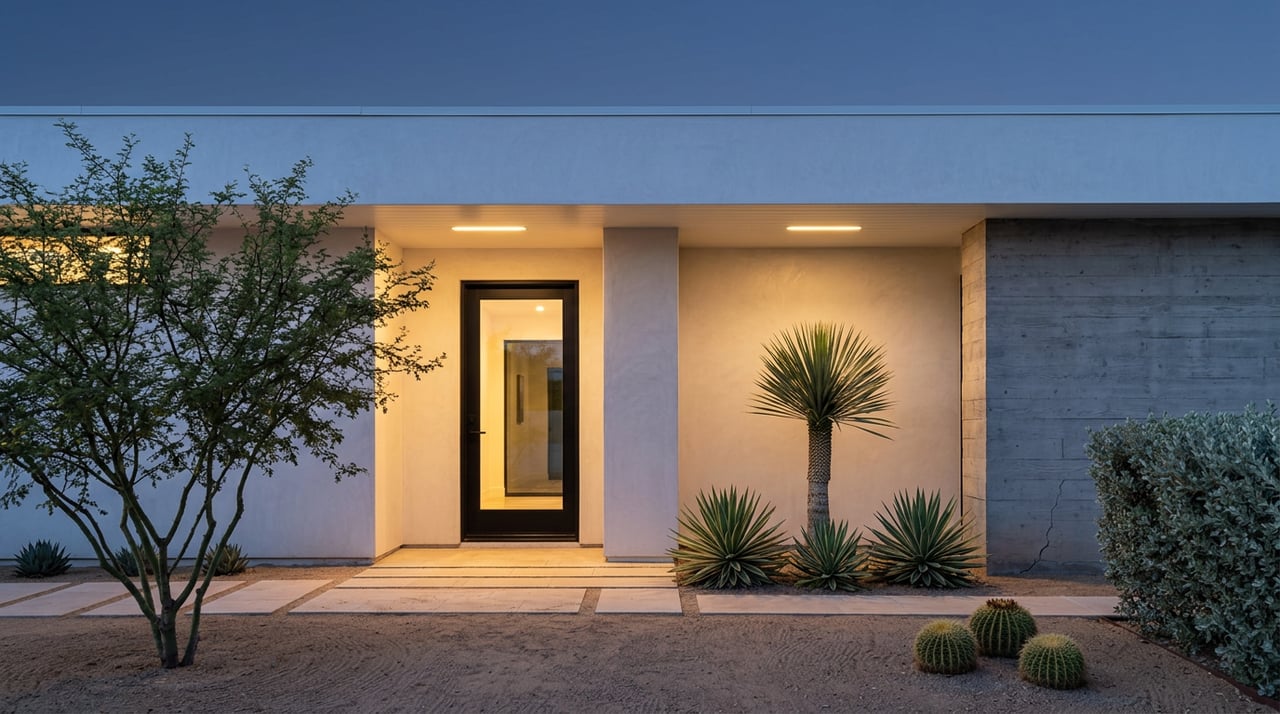
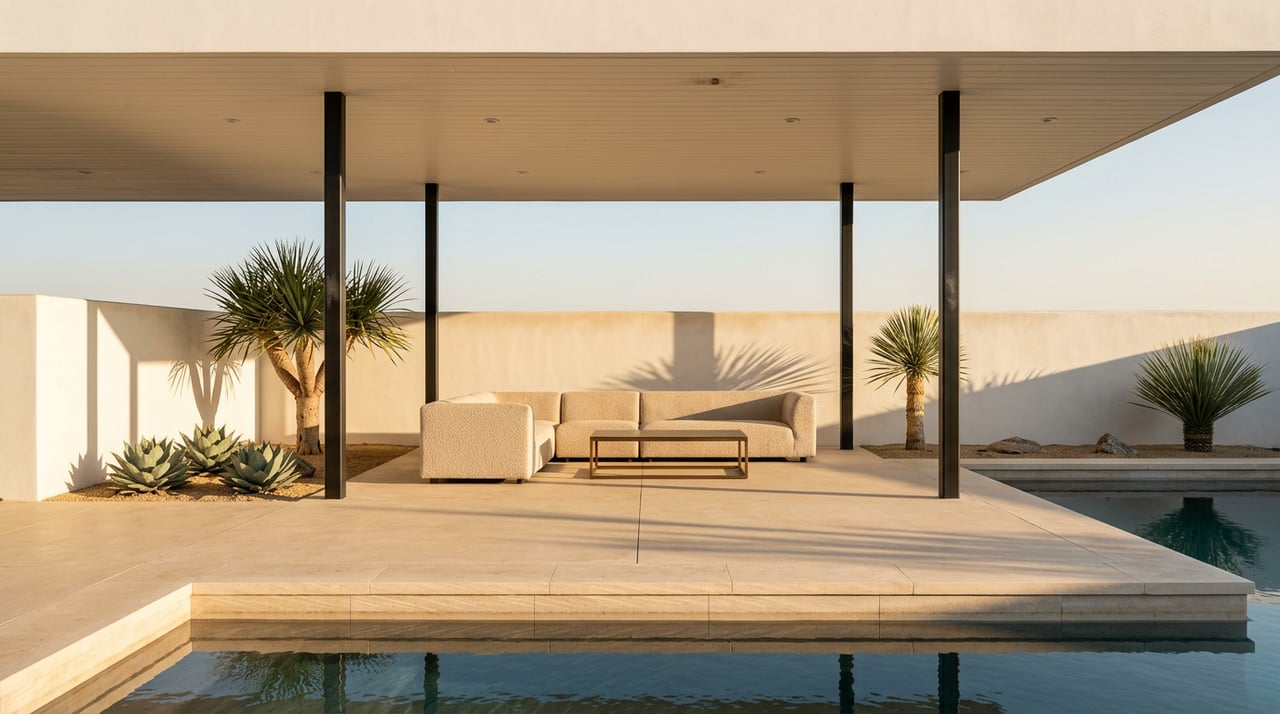
Architecture is one of the strongest pricing levers in this community. BIGHORN has long tied its identity to design-forward residences, including architect-driven homes with strong material palettes, expansive glass, and dramatic contemporary forms.
For buyers in this segment, design pedigree is not just aesthetic. It supports value. A residence with notable architectural authorship or exceptional workmanship should be positioned differently from a home with similar size but less distinctive design character.
Condition and Renovation Depth
Luxury buyers notice the difference between a cosmetic refresh and a true reimagining. New finishes may help a home show better, but deeper updates to systems, kitchens, baths, and overall functionality usually support a stronger pricing argument.
Condition should be judged as a whole. If a home has deferred maintenance or older systems, that will affect value, even if the staging and photography look polished online.
Membership and Lifestyle Access
At BIGHORN, membership is part of the story. The club offers two membership classes, with initiation fees currently listed at $200,000 for Club Membership and $300,000 for Golf Membership, and membership remains subject to applicable residency requirements.
That means sellers should not treat membership as a vague lifestyle perk in the listing. Buyers need clear, early verification of the relevant terms, rights, and obligations because membership is non-equity and non-transferable, and club rules can change under governing documents.
How to Price a BIGHORN Estate
Start With Tight Comparable Sales
The best pricing process is narrow and disciplined. Begin with the most relevant BIGHORN comparables first, then look to other high-end club estates only if they truly match the same type of buyer appeal.
That usually means comparing homes with similar view corridors, sub-area location, architectural quality, lot orientation, and renovation level. A broad CMA built from Palm Desert data may be useful for background context, but it is too blunt to set strategy inside BIGHORN.
Adjust for the Features Buyers Cannot Replicate
The highest-value features are often the hardest to duplicate later. You can update finishes, but you cannot easily recreate a prime internal location, a stronger view line, or a more compelling architectural pedigree.
When pricing, ask which parts of your home are truly scarce within the community. That scarcity is often where premium value lives.
Match Price to Seller Timing
Your timeline matters. If your goal is a faster sale, a sharper list price can create stronger early attention and better odds of meaningful engagement.
If you have more flexibility, you may be able to test the top of the range, but the asking price still needs to feel credible in a market where normalized inventory gives buyers more options. In this environment, the strongest strategy is usually ambitious but supported.
How to Position the Listing for Today’s Buyer
Lead With the Story
A BIGHORN estate should be marketed as more than bedrooms, bathrooms, and square footage. Buyers in this segment are often purchasing a combination of design, setting, privacy, and club lifestyle.
That is why the listing story should lead with what cannot be copied. View corridor, architectural provenance, internal location, and access to the broader BIGHORN lifestyle ecosystem should frame the narrative from the start.
Invest in Visual Presentation
Many buyers begin online, and luxury buyers often make early decisions based on presentation long before they schedule a showing. Strong visuals are not optional in this market.
For a BIGHORN listing, that typically means a polished visual package such as:
- Architectural photography
- Twilight imagery
- Video
- Drone footage
- Virtual tours
- Floor plans
These assets help remote and second-home buyers understand scale, flow, and setting. They also support the kind of design-first storytelling that helps a standout property command attention.
Be Clear About Ownership Costs
High-end buyers still want clarity. A listing should explain the practical side of ownership as clearly as it presents the lifestyle side.
That includes details such as HOA fees, taxes, special local taxes if applicable, and any membership-related considerations that a buyer should understand early. Clear information reduces friction and helps serious buyers move forward with confidence.
Reach Beyond the Immediate Area
The likely buyer for a BIGHORN estate may not already live nearby. The buyer pool can include second-home purchasers, out-of-market buyers, and international prospects, many of whom are shopping remotely and may be prepared to act quickly.
That wider audience is one reason polished digital marketing matters so much. It is also why targeted syndication and strong agent-to-agent exposure can be especially effective for a property in this tier.
A Better BIGHORN Launch Strategy
The strongest launch combines accurate pricing with disciplined presentation. If the price is right but the marketing feels generic, the home may not generate the emotional pull luxury buyers expect.
If the visuals are beautiful but the price ignores the realities of the specific micro-market, buyers may pause or move on. The best results usually come when pricing, story, and presentation all support the same message.
For BIGHORN sellers, that message should feel clear: this is a distinct estate in a distinct luxury community, and its value is rooted in factors that broad market averages cannot explain. That is exactly why a design-led, evidence-based strategy tends to outperform a generic luxury listing approach.
If you are preparing to sell in BIGHORN Golf Club, a thoughtful plan can protect your positioning and help you capture the strongest possible response from the right buyers. To schedule a design-first marketing consultation, connect with Rich Nolan.
FAQs
How should you price a home in BIGHORN Golf Club?
- You should start with BIGHORN-specific comparable properties and adjust for sub-area, view, architecture, condition, and membership-related factors rather than relying on broad Palm Desert averages.
What features add the most value to a BIGHORN estate?
- The biggest value drivers are usually view corridor, lot position, internal location, architectural pedigree, renovation depth, and the clarity of the home’s membership and lifestyle narrative.
Why are Palm Desert averages less useful for BIGHORN pricing?
- BIGHORN operates as a luxury micro-market with a far wider pricing range than the broader Palm Desert market, so citywide averages are too general to capture the differences between estates inside the club.
What should a BIGHORN listing include to attract buyers?
- A strong listing should include high-quality photography, video, floor plans, and a clear story built around design, setting, and club lifestyle, along with practical ownership details buyers need to review.
Why does membership matter when selling in BIGHORN Golf Club?
- Membership is part of the overall value story, and because it is subject to residency requirements and club rules, buyers need clear information early in the process to understand how it applies to the property.