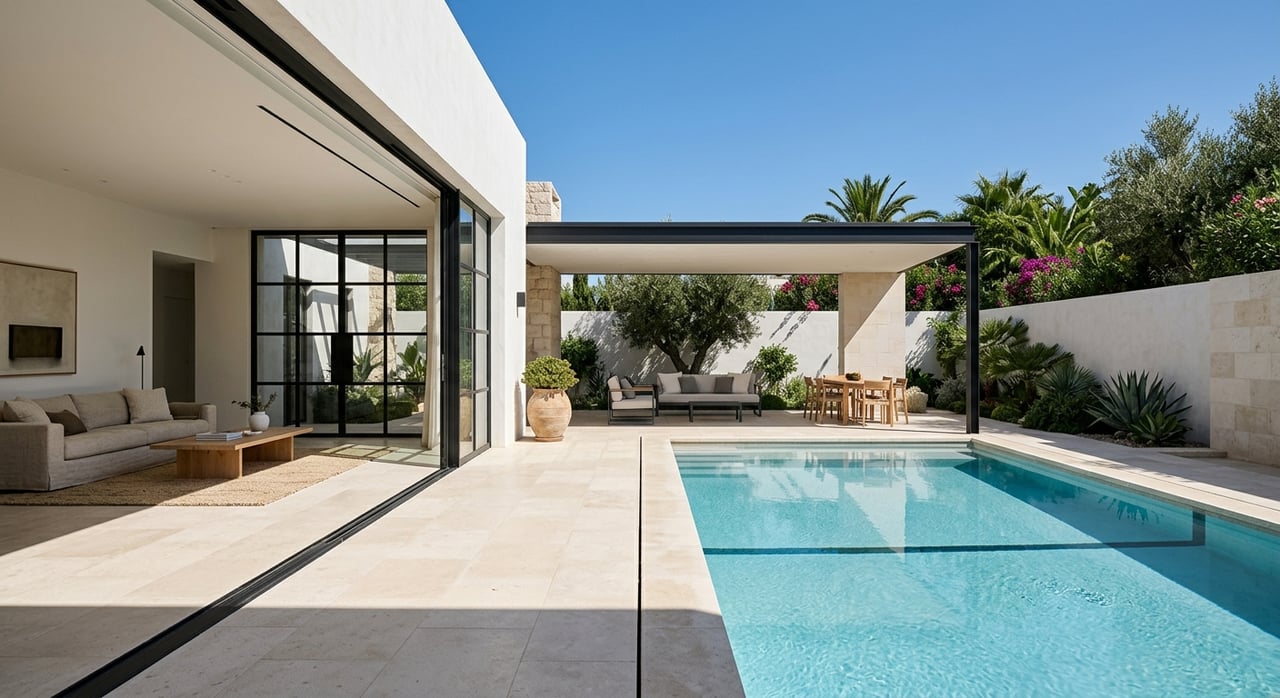
If you are preparing to sell a luxury home in Palm Desert, this market calls for precision, not guesswork. Buyers still have strong interest in the area, but they also have more options and more time to compare properties than they did a few years ago. That means your pricing, presentation, and positioning matter more than ever. Let’s dive in.
Palm Desert Luxury in Context
Palm Desert has a meaningful high-end housing segment. Public market data shows that about 8.7% of owner-occupied homes in the city are valued at $1 million or more, which supports what many sellers already see on the ground: luxury is not a niche here, it is an established part of the local market.
Across the desert region, the luxury tiers of $1 million to $1.999 million and $2 million and up made up 910 of 3,187 active listings in the latest public CDAR snapshot from November 2024. That was roughly 29% of all active inventory and 40% of dollar sales, showing how much influence high-end homes have on the broader market.
Palm Desert also continues to attract buyers for reasons beyond square footage alone. The city describes itself as the Coachella Valley’s cultural and retail center, and regional tourism remains a major economic driver, with 14.4 million visitors spending $9 billion in 2023. Palm Springs International Airport also handled 3.23 million passengers, reinforcing the area's draw for seasonal owners, second-home buyers, and lifestyle-driven purchasers.
Inventory Is Giving Buyers More Choice
One of the clearest trends for high-end sellers is inventory growth. Palm Desert had 641 active listings in the latest public city snapshot, up from 451 a year earlier. A live market snapshot also showed 233 luxury homes for sale in Palm Desert, which means affluent buyers can compare a wide range of properties before making an offer.
That increase in supply changes seller leverage. Even when buyer demand is healthy, a larger selection tends to reward homes that stand out visually, feel move-in ready, or offer a more compelling lifestyle story.
For sellers, the takeaway is simple: your home is not competing only on price. It is competing on architecture, condition, setting, amenities, and how clearly those strengths are presented to the market.
Pricing Power Is Still There, But It Is Narrower
Palm Desert has held up relatively well on negotiated discounts. In the public CDAR data, the city’s average selling discount was 1.7%, which was smaller than Rancho Mirage at 3.4% and Palm Springs at 2.9%.
That is an encouraging signal for high-end sellers. It suggests well-positioned homes can still hold value better than many owners might expect, especially when they enter the market at a realistic number.
At the same time, sellers should not confuse a relatively small average discount with unlimited pricing power. The luxury market is selective, and buyers have become more disciplined as inventory has expanded.
Absorption Slows at Higher Price Points
The biggest trend luxury sellers need to understand is absorption. Valleywide, the $1 million to $1.999 million tier was sitting at 9.0 months of sales in November 2024. The $2 million and up segment was at 16.3 months of sales.
That is a major gap. It tells you that as the asking price rises, the buyer pool narrows and the time needed to absorb available inventory stretches much longer.
This does not mean a standout property cannot sell quickly. It does mean that ultra-high-end listings usually need stronger differentiation and more disciplined expectations around timing.
Palm Desert’s own median days on market was 43 days in the latest public snapshot. That placed it between nearby luxury markets, slower than Indian Wells at 35 days and faster than Rancho Mirage at 53 days. In other words, Palm Desert is not stalled, but it is not a rush market either.
Who Is Buying in Palm Desert
Buyer mix shapes seller strategy. Palm Desert has an older, owner-heavy profile, with 37.3% of residents age 65 or older and 64.4% of housing units owner-occupied. The city also has a median household income of $79,508, and 39.9% of adults hold at least a bachelor’s degree.
A county profile built from Esri estimates places the city’s median age at 59.1. Taken together, these figures point to a market shaped by empty nesters, retirees, downsizers, long-horizon seasonal owners, and second-home buyers more than entry-level purchasers.
That matters because many luxury buyers in Palm Desert are not simply buying a house. They are buying ease, privacy, design, and a certain kind of desert lifestyle. Sellers who understand that mindset tend to market their homes more effectively.
What High-End Sellers Should Do Now
Price for the market you have
In a market with more inventory and slower absorption above $1 million, aspirational pricing can cost you leverage. Buyers notice stale listings, and longer time on market can weaken your negotiating position.
A stronger strategy is to price from current conditions, competitive inventory, and the specific strengths of your home. If your property is unusually rare, highly updated, or architecturally distinct, that can support a premium. If it is more comparable to other active listings, pricing discipline becomes even more important.
Lead with differentiation
When buyers have choices, sameness is expensive. A luxury home that feels generic, even at a high price point, can get lost among competing inventory.
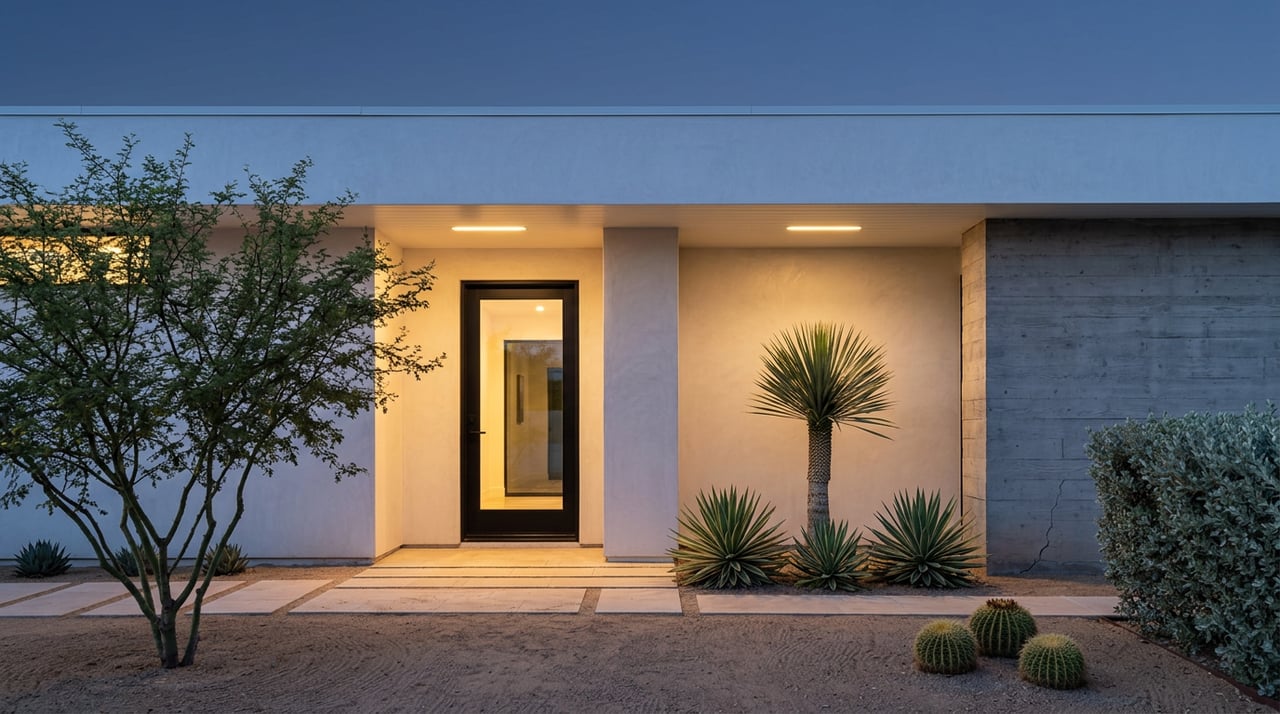
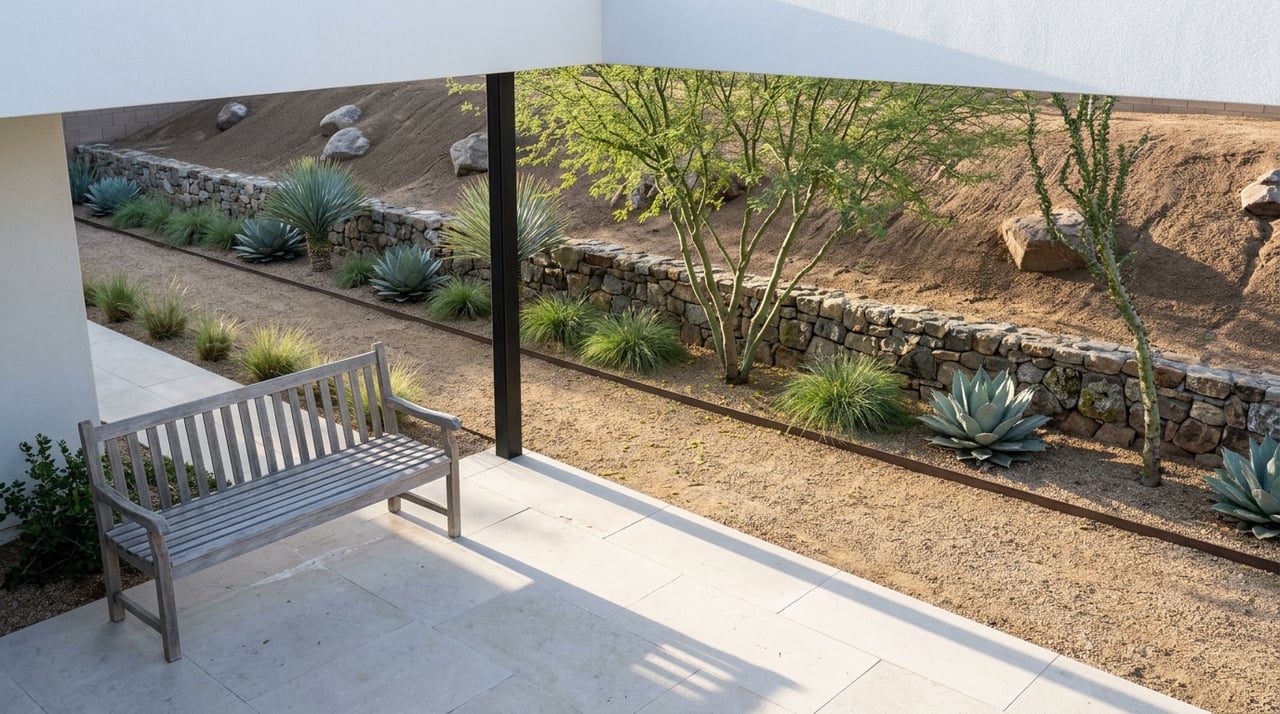
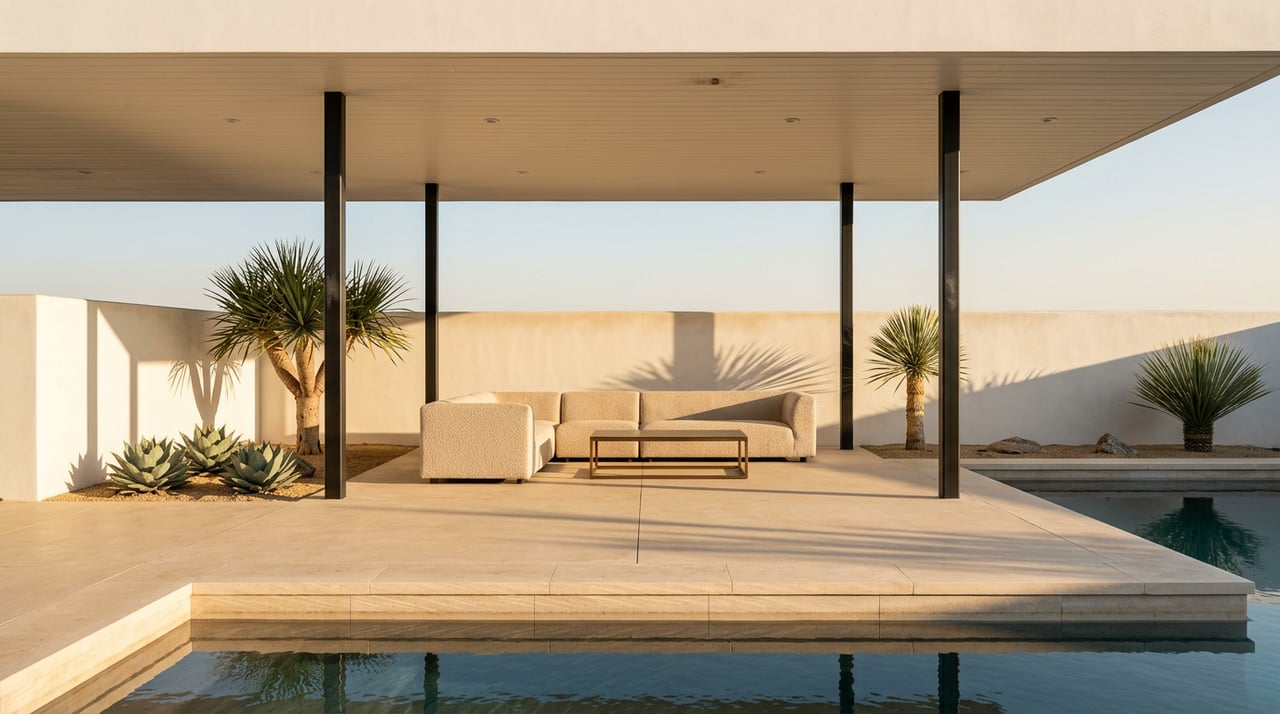
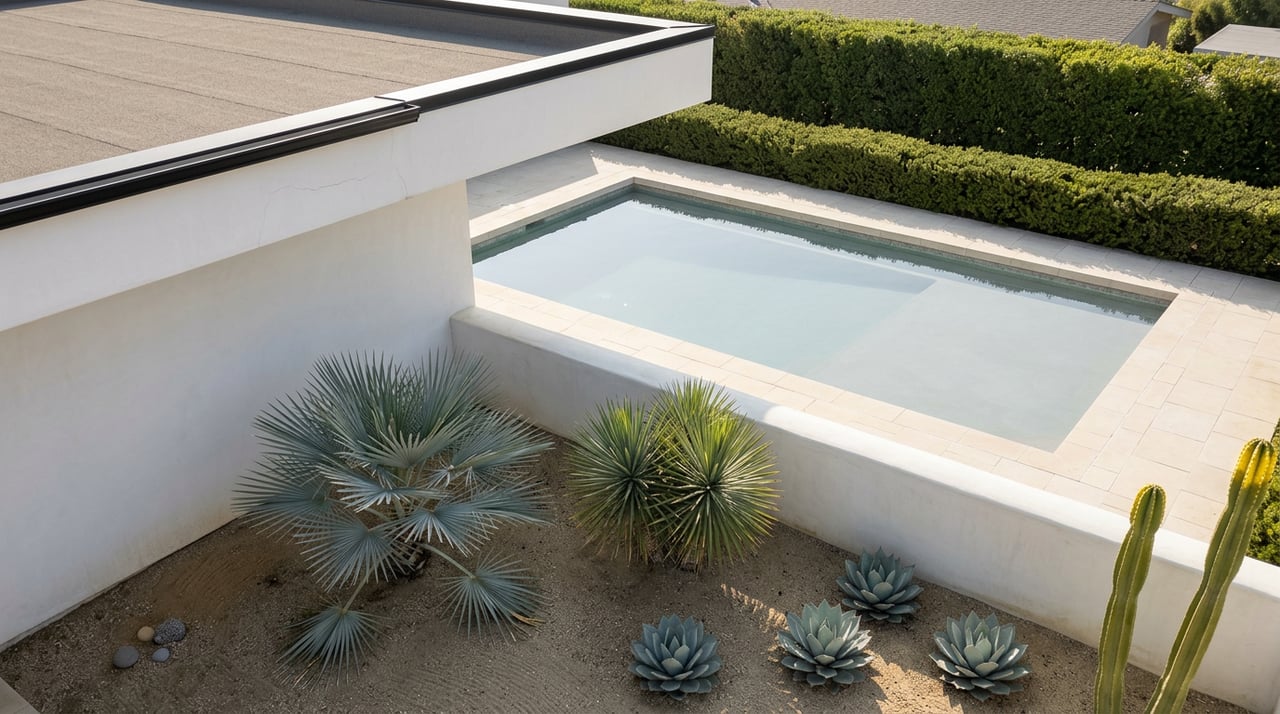
This is where design, provenance, and presentation matter. Architectural pedigree, indoor-outdoor flow, club-oriented lifestyle features, turnkey condition, and a strong visual identity can all help justify attention and support stronger pricing.
Invest in presentation
The market data suggests buyers have room to be selective. That makes presentation more than a finishing touch. It becomes part of the pricing strategy.
High-production photography, video, drone work, and a clear story around the home’s design and lifestyle appeal can help your property feel more distinctive from day one. For homes in Palm Desert’s luxury segment, visual storytelling often shapes whether a buyer books a showing at all.
Prepare for negotiation
Even in a relatively stable luxury market, negotiation is normal. The 1.7% average selling discount in Palm Desert is modest, but it still reflects a market where buyers expect some room to engage.
The goal is not to avoid negotiation at all costs. The goal is to enter negotiations from a strong position, with pricing, presentation, and buyer interest aligned.
Why Selective Markets Reward Better Marketing
Palm Desert luxury is best described as selective rather than overheated. Exceptional homes can still perform very well, but undifferentiated inventory is facing more competition and slower absorption than the mid-market.
That is why a design-first marketing approach matters. In a market where buyers are comparing multiple properties, the homes that feel most memorable often have a clearer narrative, stronger imagery, and more intentional positioning.
For sellers of architecturally significant homes, private-club properties, or polished second-home residences, that approach can be especially important. When your home is presented as a complete lifestyle offering, not just a list of specs, it is easier for buyers to understand its value.
The Bottom Line for Palm Desert Sellers
Palm Desert remains one of the Coachella Valley’s most important luxury markets, with strong lifestyle appeal and a meaningful base of affluent and seasonal buyers. But this is a market where strategy matters. Rising inventory, longer absorption at higher price points, and buyer selectivity all point to the same conclusion: the best results tend to go to sellers who price thoughtfully and market with intention.
If you are considering a sale, the opportunity is still real. The key is to launch with a sharp plan, a clear story, and a presentation level that matches the property itself.
If you want a design-forward strategy built for today’s Palm Desert luxury market, schedule a consultation with Rich Nolan.
FAQs
What is happening in the Palm Desert luxury home market?
- Palm Desert’s luxury market has meaningful inventory, with public data showing strong high-end market presence and current snapshots showing hundreds of luxury listings for sale. Buyers still show interest, but they have more choice than before.
How long are luxury homes taking to sell in Palm Desert?
- Palm Desert had a 43-day median days on market in the latest public city snapshot, while higher luxury price bands across the valley showed slower absorption, especially above $2 million.
Are Palm Desert luxury sellers still getting close to asking price?
- In the public CDAR snapshot, Palm Desert’s average selling discount was 1.7%, which suggests many well-positioned homes are still selling fairly close to list price.
Why does pricing matter so much for Palm Desert luxury listings?
- Valleywide data showed 9.0 months of sales for homes priced from $1 million to $1.999 million and 16.3 months of sales for homes above $2 million, which means overpricing can slow momentum in a more selective market.
Who is buying luxury homes in Palm Desert?
- The local data points to a buyer base shaped by retirees, empty nesters, downsizers, seasonal owners, and second-home buyers who are often focused on lifestyle, amenities, and long-term enjoyment.
What helps a Palm Desert luxury home stand out?
- In a market with more inventory, sellers usually benefit from strong presentation, turnkey condition, quality visuals, and clear positioning around architecture, setting, and lifestyle appeal.