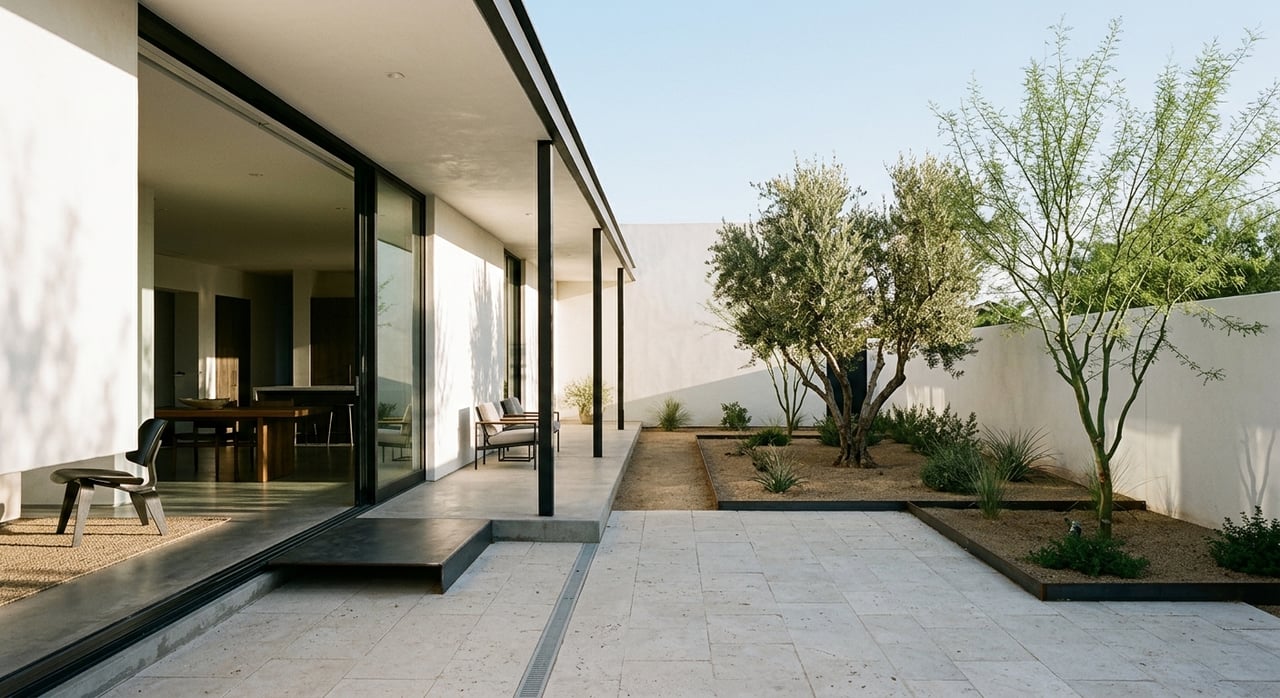
Wondering why one homesite at The Tradition feels effortless while another, just a few doors away, feels exposed, hotter, or less private? In a community shaped by mountain backdrops, golf course sightlines, and meaningful elevation changes, the right lot is about far more than square footage. If you are considering a home or homesite here, it helps to evaluate views, sun, privacy, buildability, and lifestyle fit before you commit. Let’s dive in.
Why homesite choice matters here
The Tradition in La Quinta is not a flat, one-note community. The club setting is defined by Santa Rosa Mountain views, wide fairways, natural desert landscape, and dramatic topography that can shift the experience of a property in subtle but important ways.
That matters because a lot that looks similar on paper may live very differently in person. A small change in elevation, street position, or rear-yard direction can affect your afternoon comfort, the privacy of your outdoor spaces, and the quality of your view.
The course itself reinforces this point. Tradition highlights mountain views on the front nine and natural desert framing on the back nine, with Hole 17 dropping more than 200 feet from tee to fairway. In practical terms, that tells you sightlines and elevation are part of what you are buying.
Compare Tradition property types first
Before you judge a specific homesite, make sure you are comparing the right type of property. Tradition includes custom homes, Village homes, Bungalows, and a limited number of custom home sites, and each category comes with a different set of tradeoffs.
Bungalows are described as being adjacent to the clubhouse. Village homes sit at the top of the property and are associated with a separate HOA and a lock-and-leave maintenance model. Custom homes and custom lots are distributed throughout the community, which usually means more variation in setting, size, and design flexibility.
If you are deciding between convenience and customization, this is where the process starts. A clubhouse-adjacent residence may suit a buyer who values ease and proximity, while a custom homesite may appeal more if you want a view-driven setting and more control over architecture and outdoor living.
Prioritize the view you actually want
Not every great view is the same. At The Tradition, you may be choosing among mountain views, fairway views, clubhouse-oriented views, or a view that depends partly on sightlines over neighboring roofs.
Start by asking what you want to see most often from your main living areas and patio. If your goal is a dramatic Santa Rosa Mountain backdrop, one parcel may stand out. If you prefer long golf-course perspective or a more desert-framed setting, another area may make more sense.
Just as important, ask how protected that view really is. In a community with custom homes and buildable lots, your current outlook may not be the same after nearby construction is completed. A strong homesite decision is not just about today’s vista, but how durable that experience is over time.
Use sun orientation as a comfort test
In La Quinta, rear-yard orientation is a daily living decision. The local climate is arid, with just over three inches of annual rainfall, nearly four months each year with average daily highs at or above 100 degrees, hot dry winds, and year-round fire-season conditions.
That is why sun exposure should be part of every homesite tour. In the northern hemisphere, south-facing windows capture the most winter sun, while east- and west-facing openings bring morning and evening light but can also increase summer heat gain.
For desert living, that often means a dramatic west-facing rear yard may look appealing during a short showing but feel much warmer in the late afternoon. A site with better shading, a more favorable orientation, or room for deep overhangs and covered patios may offer a more comfortable day-to-day experience.
Think beyond the lot line
A homesite does not live in isolation. Street position, neighboring rooflines, nearby fairways, and elevation all shape how private or open a property feels.
Some buyers love the sense of openness that comes with a fairway-edge location. Others prefer the quiet feel of an interior street or a position higher up the property. Neither is automatically better, but each creates a different balance of privacy, convenience, and visual exposure.
When you tour, stand where your main patio, pool, or courtyard would likely be. Then consider what you see in every direction, including second-story massing, cart activity, or direct sightlines from adjacent homes. The best lot often reveals itself when you test how the outdoor rooms will actually feel.
Evaluate elevation carefully
Elevation is one of The Tradition’s defining features. It can improve views and create more dramatic sightlines, but it can also change your experience of wind, exposure, and the way a home sits on the lot.
Higher positions may offer stronger long-range outlooks, especially if you value layered mountain or golf views. At the same time, the payoff depends on the specific parcel and how the home will be placed on it.
This is why an in-person visit matters. What appears premium on a map may feel less comfortable if the exposure is too open, while a slightly lower site may offer better shelter and a more grounded sense of privacy.
Match the lot to the architecture
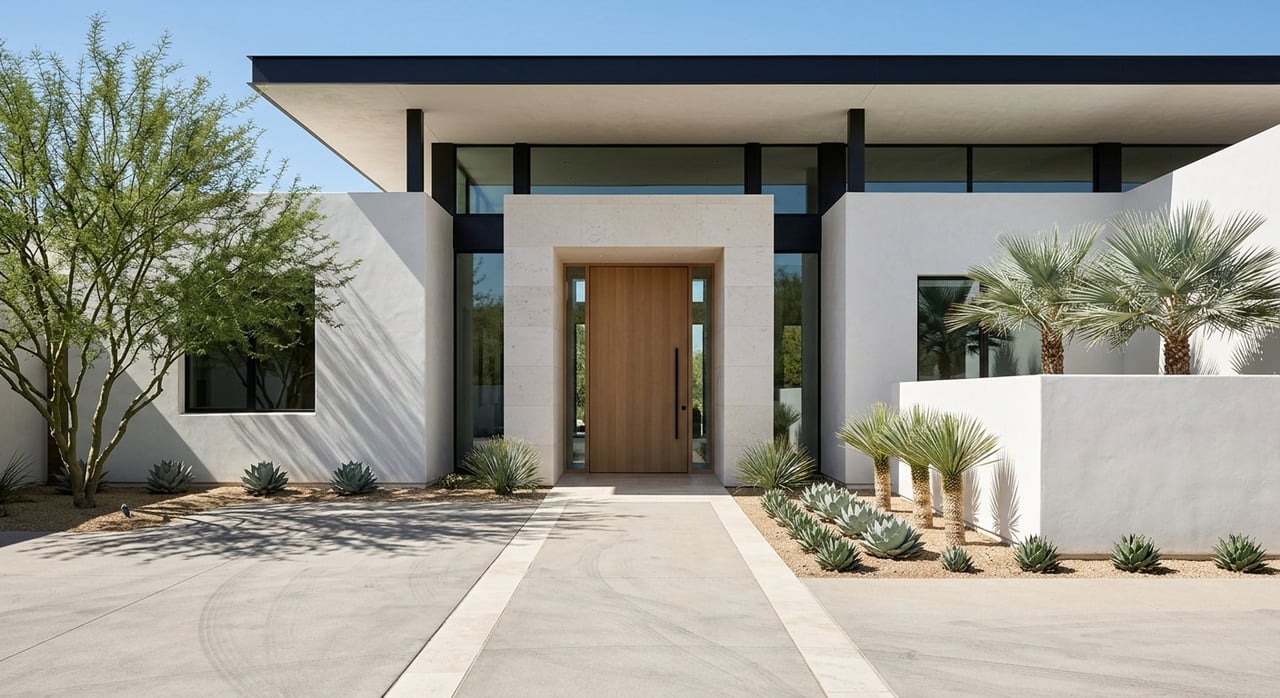
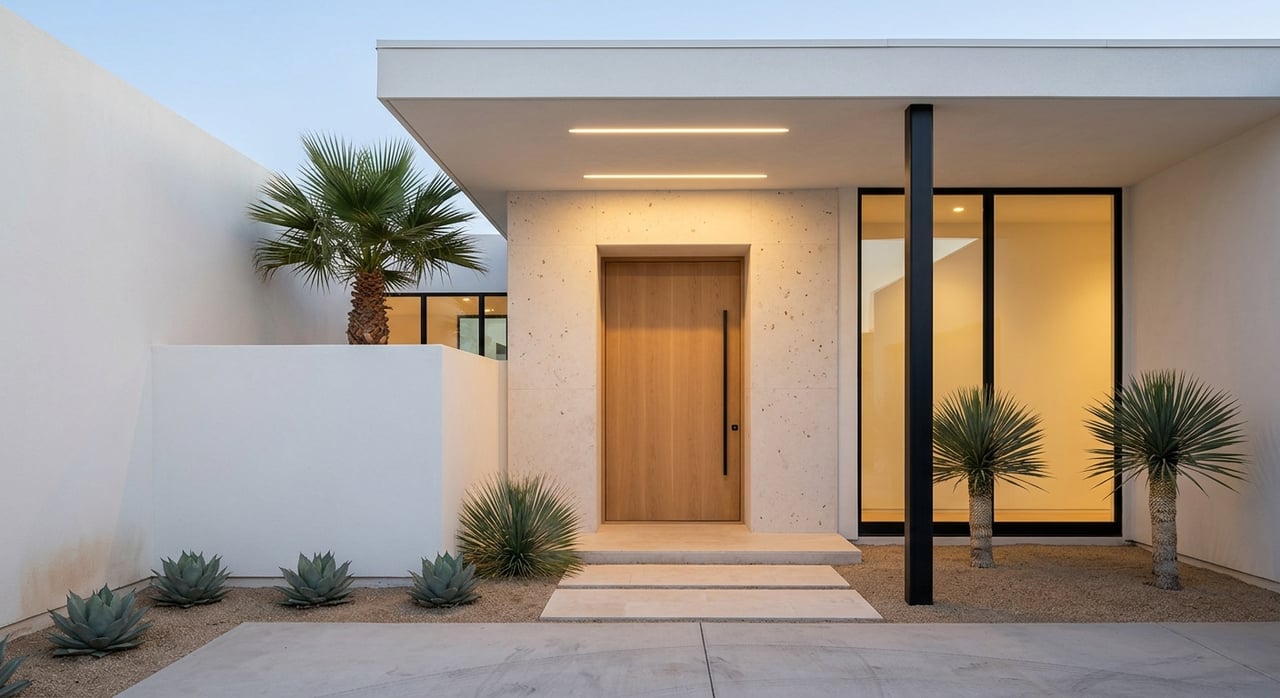
At The Tradition, homes are often described through Spanish Colonial, Mediterranean, Early California, hacienda, and contemporary influences. That means a lot should not only have a view, but also support the kind of plan and street presence you want to create.
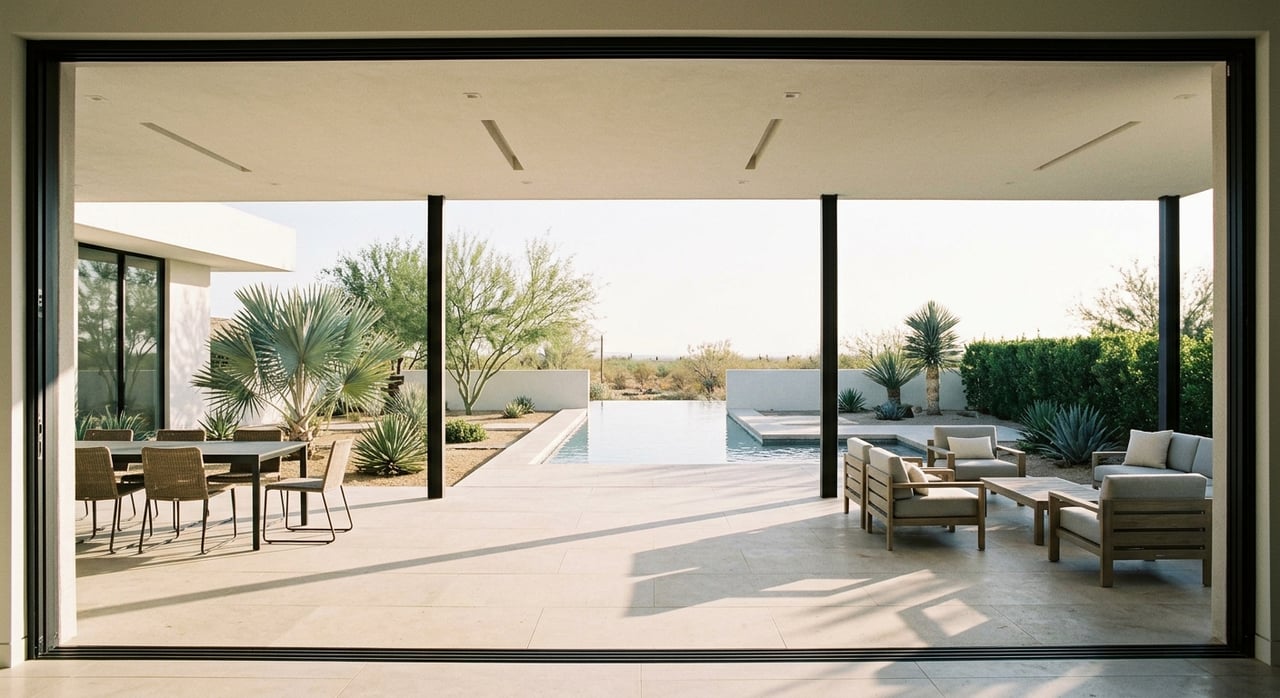
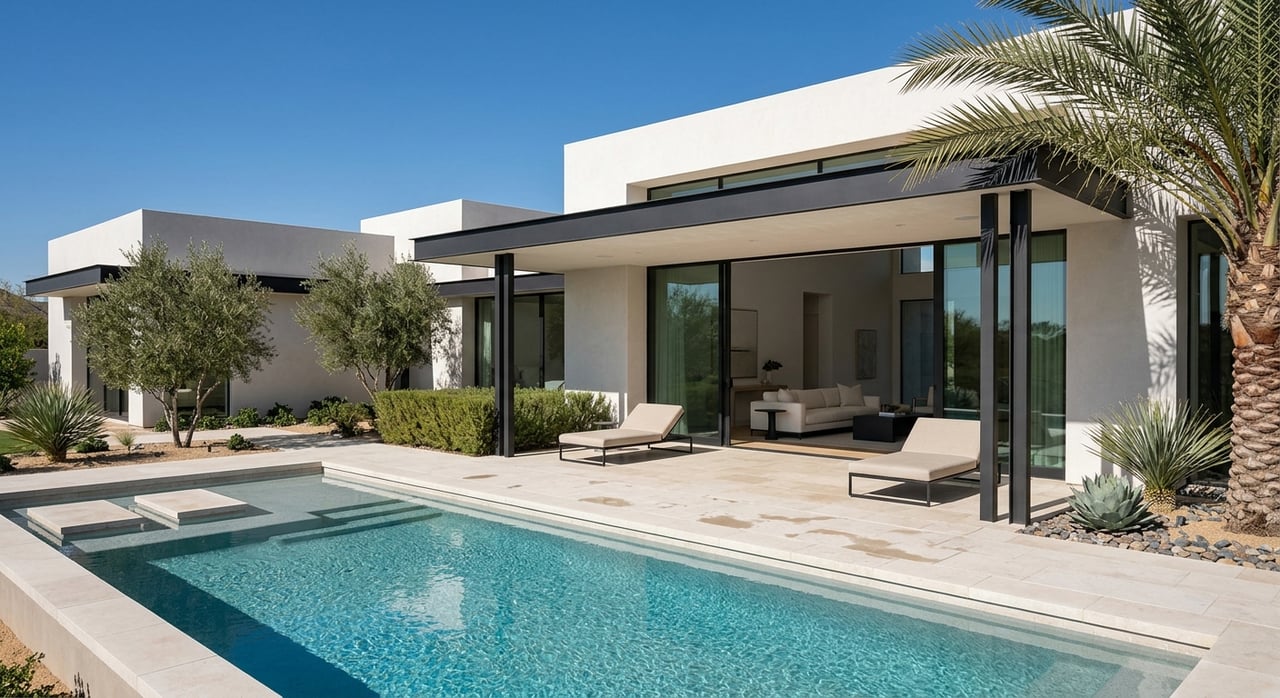
For many buyers, the practical question is whether the parcel can accommodate courtyards, deep eaves, indoor-outdoor circulation, and generous outdoor rooms. Lot width, shape, and setbacks matter here. A site with a strong view can still be awkward if it does not suit the proportions of the home you want to build.
This is especially important if you care about design coherence. A successful homesite supports both the outward presentation of the home and the lived experience inside, from arrival sequence to patio shade to how the great room opens to the landscape.
Review rules before falling in love
It is easy to focus on views first and details later, but due diligence should happen early. La Quinta’s local code framework includes wildland-urban-interface and fire-hardening considerations, which can affect fencing materials, defensible-space expectations, and landscape decisions.
That matters for both aesthetics and planning. If you are envisioning a certain type of outdoor room, planting palette, or perimeter treatment, confirm that the rules support that vision before you get too attached to one lot.
You should also clarify community and architectural requirements in advance. A well-chosen homesite works best when your design goals, maintenance expectations, and approval path are all aligned from the start.
Understand club membership separately
One of the most important distinctions at The Tradition is that property ownership and club membership are not the same thing. The club is private and invitation-based, and ownership in the community does not automatically include club access.
That is worth confirming early, especially if club use is a major part of your decision. If membership is part of your lifestyle plan, make sure you understand application timing and approval steps separately from the real estate transaction.
This can prevent confusion later in escrow. It also helps you compare homes and homesites with a clearer understanding of what is included and what requires a separate process.
A smart pre-tour checklist
If you are touring homes or lots at The Tradition, bring a framework with you. A focused review can make it much easier to separate a beautiful first impression from a truly strong long-term fit.
- Confirm the lot’s compass orientation and where morning and afternoon sun will hit the main outdoor areas.
- Ask whether the view is permanent, partly protected, or vulnerable to future neighboring construction.
- Identify whether the property is fairway-edge, interior street, clubhouse-adjacent, or higher up the community.
- Verify whether you are considering a custom lot, resale custom home, Village home, or Bungalow.
- Review HOA and architectural requirements, along with fencing, landscaping, and fire-hardening considerations.
- Confirm club application timing separately from the purchase timeline.
How to choose with confidence
The ideal homesite at The Tradition is rarely the one with the most obvious headline feature. More often, it is the property that balances view, shade, privacy, architecture, and convenience in a way that fits how you actually plan to live.
For one buyer, that may mean a lock-and-leave residence near the clubhouse. For another, it may mean a custom parcel with panoramic outlooks and the right proportions for a courtyard-centered design. The key is to compare each option through the lens of comfort and usability, not just prestige.
When you look closely, the best homesite is the one that still feels right after the sun shifts, the wind picks up, and the day-to-day realities come into focus. If you want a guided, design-aware approach to evaluating homes and homesites in La Quinta, connect with Rich Nolan.
FAQs
What should you look for in a homesite at The Tradition in La Quinta?
- Focus on view corridors, rear-yard orientation, privacy, elevation, lot shape, and how well the site supports your preferred home style and outdoor living plan.
Does buying a home at The Tradition include club membership?
- No. Ownership in the community does not automatically include club membership, which is invitation-based and approved separately by the club.
Which homes at The Tradition are closest to the clubhouse?
- Community descriptions note that Bungalows are adjacent to the clubhouse, while Village homes are positioned at the top of the property and custom homes are distributed throughout the community.
Why does sun orientation matter for homes in La Quinta?
- La Quinta’s arid desert climate, extreme summer heat, and hot dry winds make shade, afternoon exposure, and patio comfort important parts of choosing the right property.
Are higher-elevation lots at The Tradition always better?
- Not necessarily. Higher lots may offer stronger views, but the tradeoff can vary depending on wind, exposure, privacy, and the way the home will sit on the site.
What due diligence should you do before choosing a lot at The Tradition?
- Review HOA and architectural requirements, confirm fire-hardening and landscape rules, evaluate whether views may change with future construction, and separate club membership questions from the real estate purchase process.