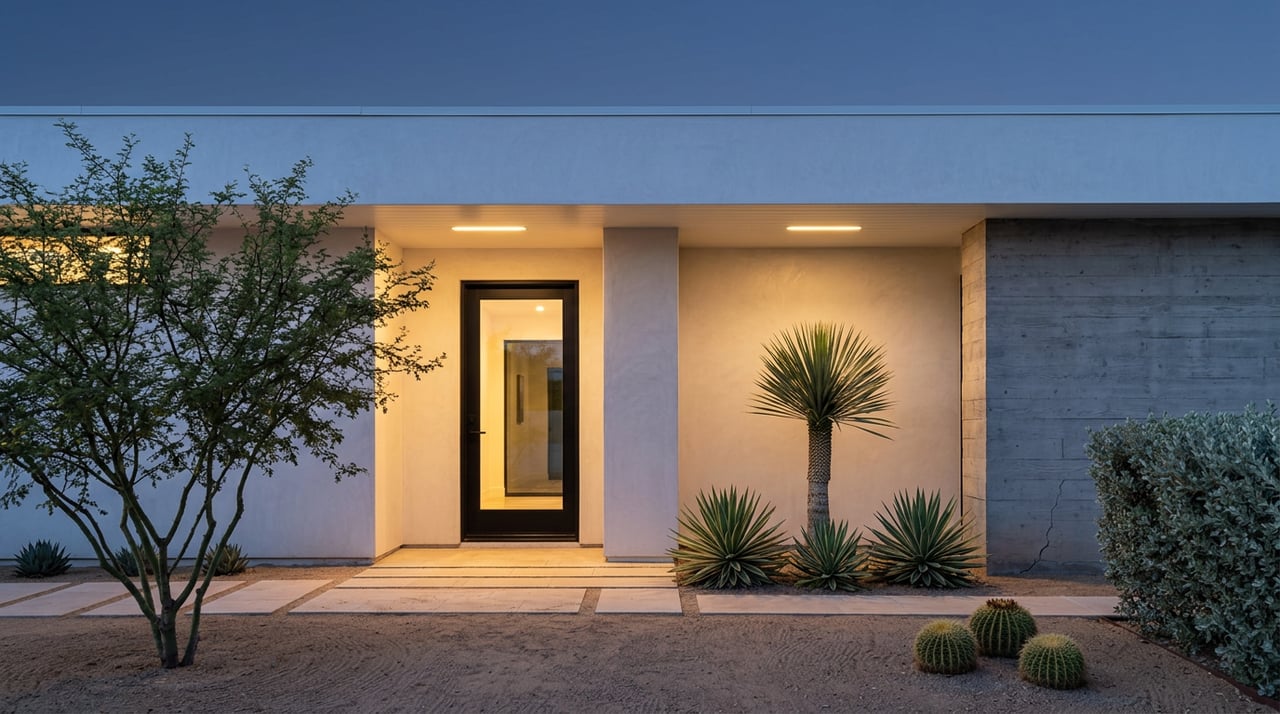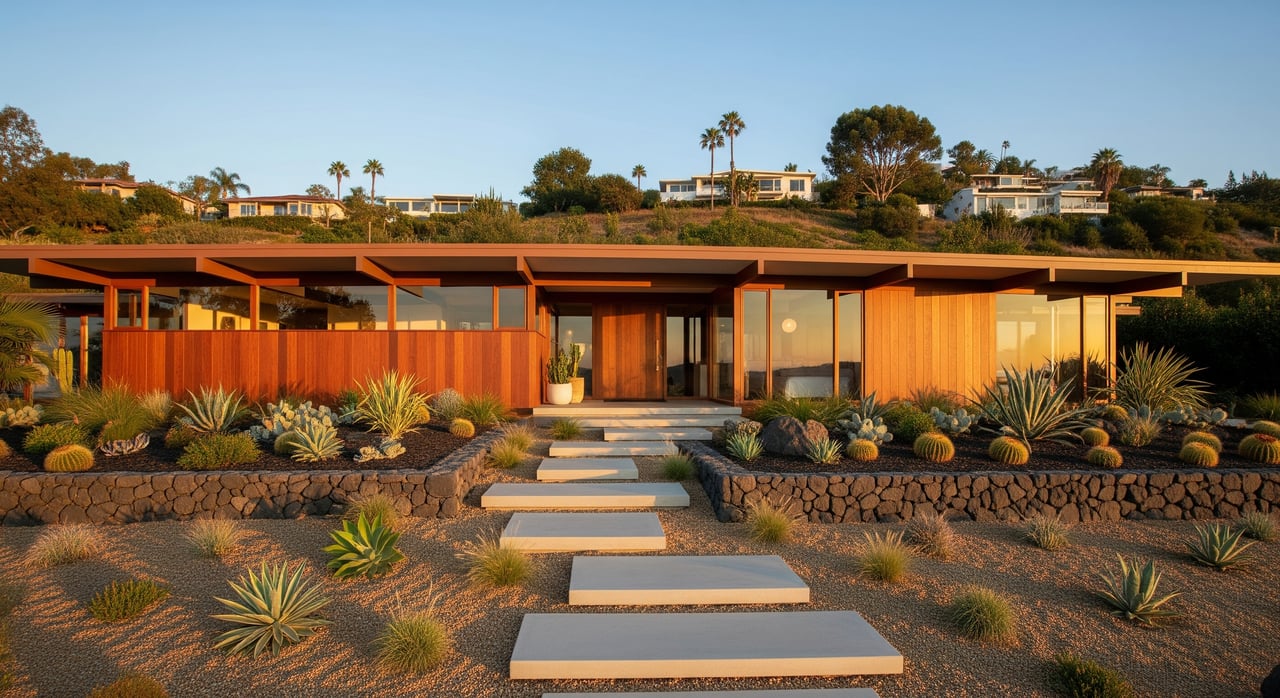
Is the home you love in Thunderbird Heights truly architect designed, or just styled to look the part? If you care about design lineage, you want more than a good story. You need documents, on-site evidence, and a clean paper trail to back it up. In this guide, you’ll learn how to verify architectural provenance with confidence, from permits to physical clues to professional reports. Let’s dive in.
What provenance means for a home
Architectural provenance is the documented story of a house’s design and evolution. In Thunderbird Heights, that typically includes:
- The original architect or designer and the approved plan set
- The builder or tract information and the construction date
- A permit history of additions and renovations
- Material and fixture authenticity, including built-ins and period details
Think of it as a layered record. The more original documentation and consistent physical evidence you gather, the stronger the case for authenticity.
Start with documents that prove the story
Paper trails beat opinions. Begin with official records and expand outward to regional archives and professional sources.
Rancho Mirage Building and Safety records
The city’s Building and Safety or Community Development office is your best first stop. Request:
- Original building permit and complete permit history
- Approved plan sets with architect or engineer stamps
- Inspection sign-offs and certificate of occupancy
- Separate plumbing, electrical, and mechanical permits tied to remodels
Approved plan sets often list the architect, engineer, and contractor. If older files are not digitized, file a California Public Records Act request or ask staff to pull archives.
Riverside County assessor and recorder
Cross-check city permits with county data. Ask for:
- Assessor parcel record with APN, recorded year built, and improvement details
- Chain of title, grant deeds, easements, and subdivision or tract maps
Assessor records help verify square footage, components, and year built. Recorder documents can tie the property to a developer, tract, or restrictions that reference original plans.
Historic registers and inventories
Review national, state, and local inventories for any listing or survey that mentions the property or architect. Listing documents often include detailed descriptions, historical photos, and bibliographies that support provenance.
Newspapers and regional archives
Coachella Valley press archives, such as historical Desert Sun coverage, can reveal original builder ads, open-house features, and sales listings that name architects and show floor plans. Vintage marketing materials and tract brochures are gold for attribution.
Architect archives and professional directories
If a permit or ad reveals an architect’s name, expand your search:
- AIA membership directories and university architectural archives
- Firm records or estates that may hold original drawings or correspondence
Architect or firm archives can confirm authorship and sometimes include plan sets not filed with the city.
On-site clues and simple investigations
Once you have a documentary baseline, walk the property with a preservation mindset.
Authenticity indicators to look for
Coachella Valley mid-century homes often share recognizable details. These are indicators, not proof, but they help build a pattern of integrity:
- Post-and-beam framing and exposed roof members
- Clerestory windows, low-profile rooflines, and integrated indoor-outdoor planning
- Terrazzo or period tile, built-in cabinetry, and consistent original hardware
- Maker marks on plumbing fixtures, glass, or door fittings
A consistent design language inside and out suggests a cohesive original design rather than piecemeal additions.
Red flags for undocumented work
Be alert to signs that major changes may not have been permitted:
- Mismatched rooflines or framing methods at additions
- Patchwork finishes or older wiring behind newer finishes
- Kitchen or structural openings without clear permits in the history
Undocumented work can raise safety, insurance, and resale concerns. If you see red flags, plan for a deeper inspection and potential remediation costs.
What to request from the seller
Ask for everything that supports the design story:
- Original blueprints or plan copies with stamps or signatures
- Old invoices, contractor receipts, and prior listing materials
- A permit history printout and the names of contractors who completed major work
Simple, non-destructive checks like confirming maker marks or photographing original fixtures help your team verify and document authenticity.
A practical due diligence workflow
Follow a clear sequence so you do not miss critical pieces. Use these steps before you write an offer and throughout contingencies.
Before you write an offer
- Pull the assessor parcel record to confirm APN, year built, and improvements
- Search Rancho Mirage permit records for the original permit, plan sets, and remodel permits
- Check national and state historic registers for any listing or survey mentions
During your contingency period
- Request seller-provided plans, brochures, prior inspections, and renovation documentation
- Order a title report and review chain of title, recorded maps, and tract data
- Hire a preservation-savvy inspector or architect to document original materials, alterations, and any non-permitted work
- If a named architect is claimed, contact AIA directories, nearby university archives, and regional preservation groups for corroboration
When the claims are significant
- Commission a preservation architect or architectural historian to prepare a provenance report that synthesizes permits, physical evidence, and archives
- Seek primary documents to corroborate any high-profile attribution, rather than relying on style alone
Before you plan renovations
- Confirm local review and permit requirements for exterior changes
- Ask the city if any incentives apply, such as Mills Act agreements where adopted
- Obtain contractor bids that separate restoration-grade work from standard replacement, and include code upgrades like electrical and HVAC
Regulations and incentives to consider
Local designation and review
Check with Rancho Mirage planning for any local preservation ordinances or design review requirements. If a property is locally designated, exterior changes may require additional review, and certain standards may apply.
Mills Act and tax programs
The Mills Act is a state-authorized property tax incentive for historic preservation that must be adopted locally. Ask whether Rancho Mirage or Riverside County has an active program and what maintenance and review obligations it includes. Federal and state rehab credits typically apply to income-producing properties or certified historic structures, so most primary residences will not qualify.
Permit liability and disclosure
Non-permitted work can affect safety, insurance, title, and resale. Require permit evidence for major changes. For significant undocumented work, consult a structural engineer and discuss potential risk with your title company and insurer.
Best-practice standards for sensitive work
If you plan to restore, look to the Secretary of the Interior’s Standards for Rehabilitation as a guide. Specialists experienced in historic treatment can balance preservation with code and comfort.
How provenance impacts value
Value considerations in Thunderbird Heights
Authenticity can be a differentiator in markets that prize mid-century character, which is regionally relevant in the Coachella Valley. Well-documented provenance and sensitive restorations tend to support market confidence. In contrast, undocumented alterations or incompatible updates can complicate appraisals and negotiation.
The value effect depends on demand for period authenticity, the cost to remedy issues, and the availability of comparable sales with similar integrity. When comps are thin, a specialized appraisal is essential.
Valuation steps to protect your investment
- Request a comparative market analysis that highlights nearby homes with preserved character
- Hire a licensed appraiser who has experience with historic or architecturally significant properties
- Get detailed contractor estimates for restoration and code upgrades, and factor those into your offer strategy
Who to put on your team
A focused team will protect your budget and your vision for the property:
- Preservation architect or architectural historian to verify provenance and guide sensitive design
- Licensed structural engineer to evaluate original construction techniques and any additions
- Historic-property appraiser to value the home with provenance and integrity in mind
- Title company or real estate attorney to analyze the chain of title, restrictions, and encumbrances
- Local building official or permit technologist to retrieve permit history and clarify review requirements
- An experienced local agent with mid-century expertise to provide market context and targeted negotiation
Quick evidence checklist
Use this as a simple go-no-go filter during due diligence:
- Assessor parcel record and recorded year built
- Building permit history and approved plan sets with stamps
- Deeds, chain of title, and subdivision or tract maps
- Original sales brochure, vintage listing photos, or tract advertising
- Newspaper or archival references to the property, builder, or architect
- Seller-provided drawings, invoices, or contractor records
- A condition report noting original fixtures and any undocumented alterations
- A specialist provenance report if the attribution or value impact is significant
- Title report confirming no restrictions that contradict provenance claims
Move forward with confidence
Evaluating architectural provenance in Thunderbird Heights is both art and science. Documents tell the origin story, on-site evidence confirms what survived, and specialist reports tie everything together. When you approach the process step by step, you can separate marketing claims from measurable value and make a confident, informed purchase.
Ready to verify a home’s design pedigree or position your property with a provenance-forward story? Connect with Rich Nolan for guidance that blends local expertise with design-first marketing.
FAQs
How do I prove a Thunderbird Heights home’s architect?
- Look for the architect’s name on original permits and plan sets, tract maps, or vintage marketing, then corroborate with firm archives or newspaper records. Style alone is not proof.
What if a Thunderbird Heights remodel lacks permits?
- Treat it as a risk. Order inspections, consult a structural engineer, get estimates to bring work to code, and discuss implications with your title company and insurer.
Can sensitive restoration affect value in Rancho Mirage?
- Yes. Well-documented, sensitive restoration often supports value among buyers who prize authenticity, but always balance costs against demand and obtain specialist estimates.
Are there preservation tax breaks in Rancho Mirage?
- Federal and state rehab credits usually apply to income-producing or certified historic properties. Ask the city about local programs such as the Mills Act where adopted.
How much should provenance documentation influence my offer?
- Strong documentation can justify a premium if you value authenticity. Limited or conflicting documentation increases risk and due diligence costs, which you should factor into price.