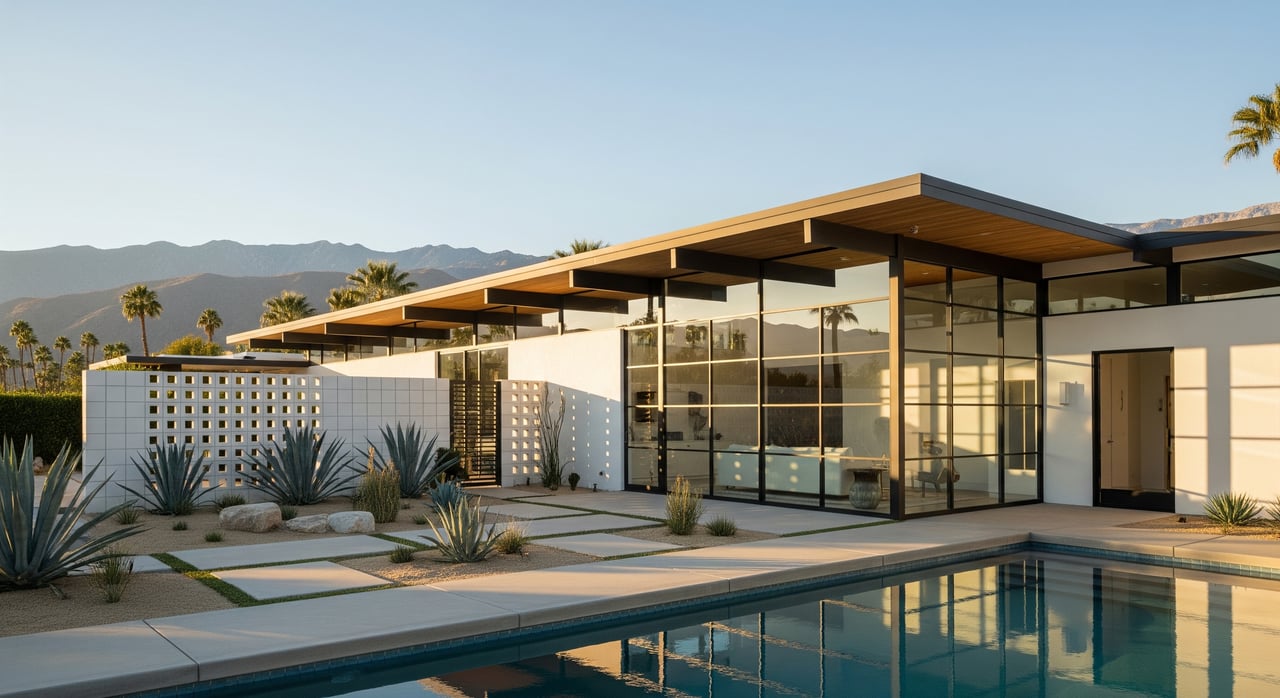
Torn between the clean lines of a mid‑century classic and the sleek ease of a new desert contemporary? You are not alone. In Palm Springs, choosing a style shapes how you live, entertain, and maintain your home. This guide helps you compare design details, lifestyle fit, preservation rules, and practical costs so you can buy with confidence. Let’s dive in.
Palm Springs design context
Palm Springs grew rapidly in the 1940s through the 1960s, leaving a legacy of architecturally significant mid‑century modern homes by names like Richard Neutra, Albert Frey, E. Stewart Williams, Donald Wexler, William Krisel, and John Lautner. That heritage fuels the city’s identity and tourism, including Modernism Week, which draws design lovers from around the world. In recent decades, new custom builds and remodels have introduced a wave of desert contemporary homes that borrow modernist language while adding current materials and systems. Demand exists for both: authentic mid‑century homes attract collectors, while many second‑home buyers lean toward turnkey, energy‑efficient desert contemporaries.
Mid‑century modern: what defines it
Era and pedigree
Most Palm Springs mid‑century modern homes date from the 1940s to 1960s and belong to the broader desert modernism movement. Provenance matters. Architect attribution, original drawings, and documented restorations can enhance desirability.
Form and materials
Expect horizontal lines, flat or low‑pitched roofs, post‑and‑beam structure, and open plans that connect living rooms to patios. You often see clerestory windows, ribbon windows, and glass walls that frame mountain views. Original finishes can include terrazzo or tile floors, thin steel frames, period fixtures, and single‑pane glass.
Site and landscaping
Many homes use simple desert plantings and integrate courtyards and pools for privacy and shade. The best examples balance modest footprints with strong indoor‑outdoor flow and thoughtful orientation to the sun and prevailing winds.
Authenticity cues
Original floor plans, intact built‑ins, period lighting, and documented restoration work signal integrity. Kitchens were often smaller by today’s standards, which can be part of the charm if you value authenticity.
Desert contemporary: what defines it
Era and intent
Desert contemporary homes are generally late 1990s to present. They reference mid‑century ideas but aim to feel current rather than strictly historic. Many are new custom builds or major remodels that respond to the desert climate with advanced materials and systems.
Plan and amenities
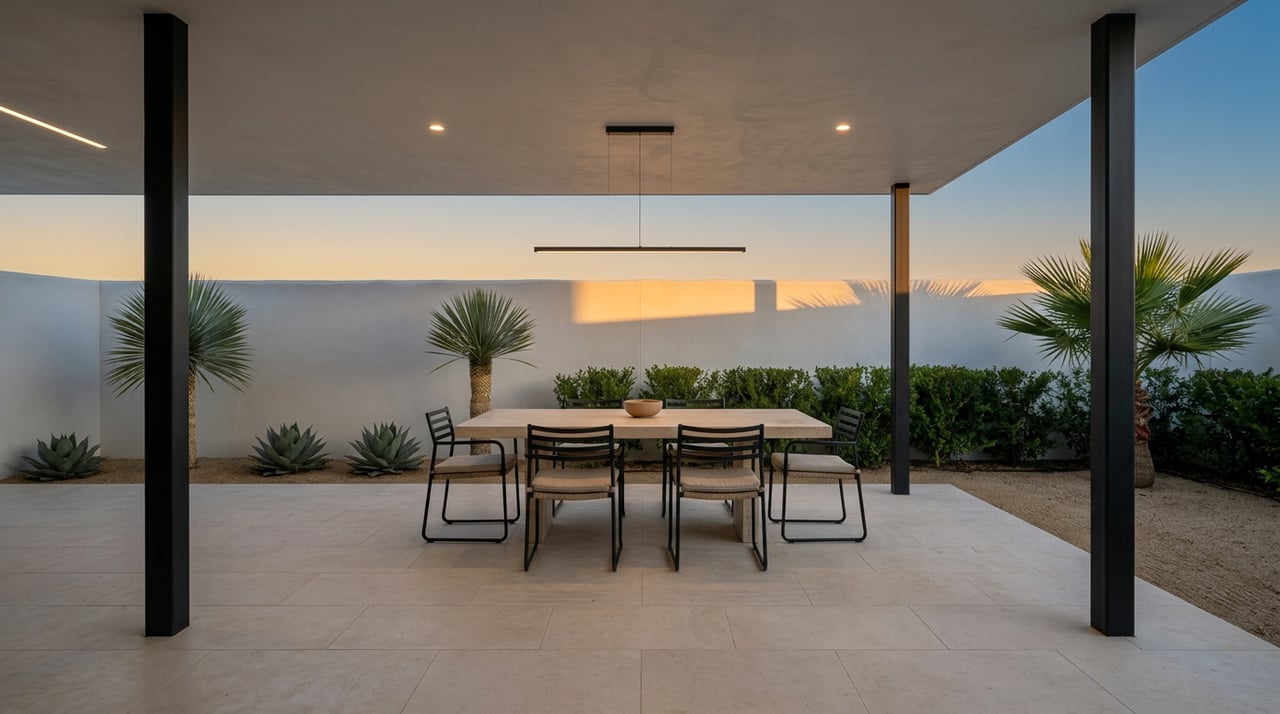
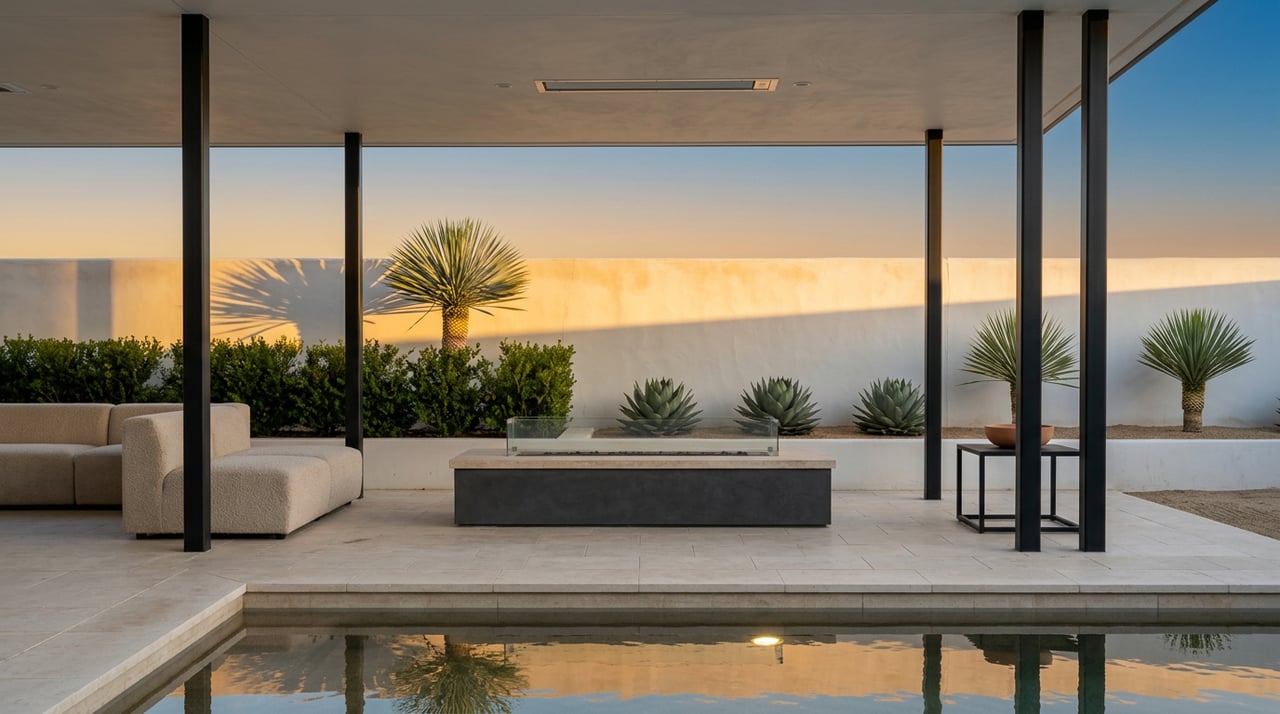
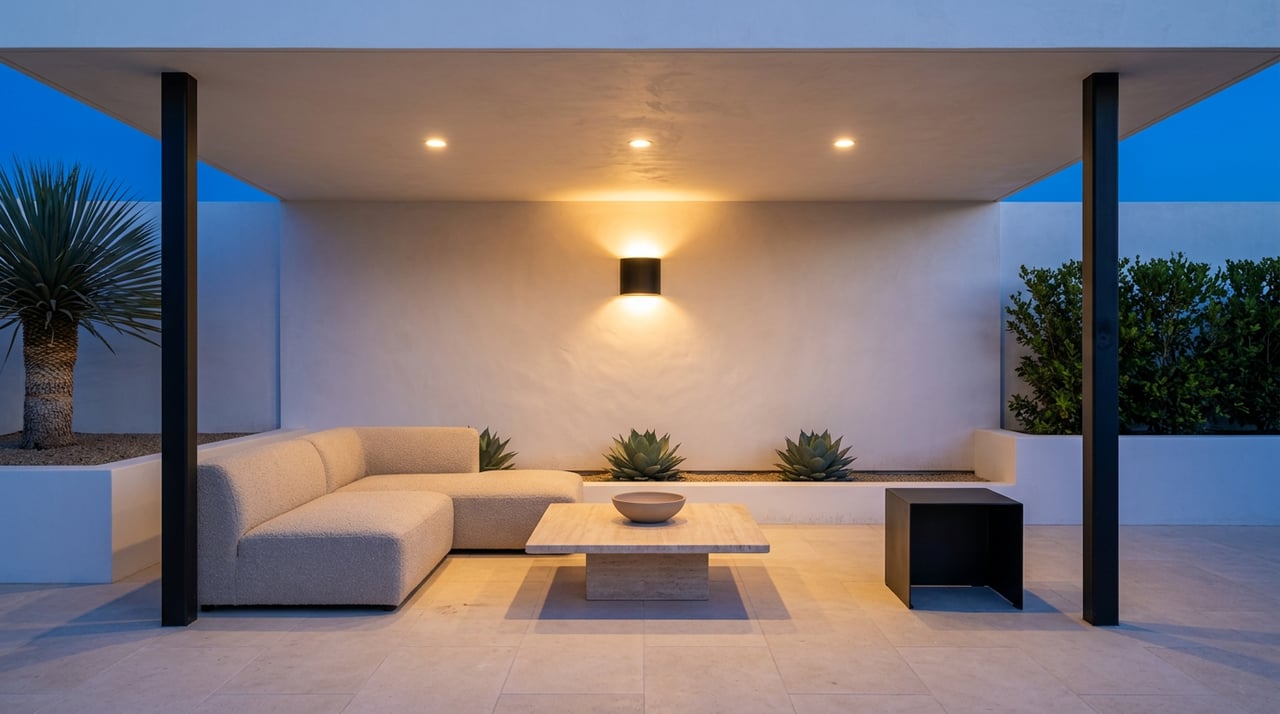
You often get larger kitchens, media or flex rooms, and multiple guest suites for privacy. Open plans remain popular, paired with generous indoor‑outdoor areas, pools, patios, and privacy walls designed for entertaining.
Materials and systems
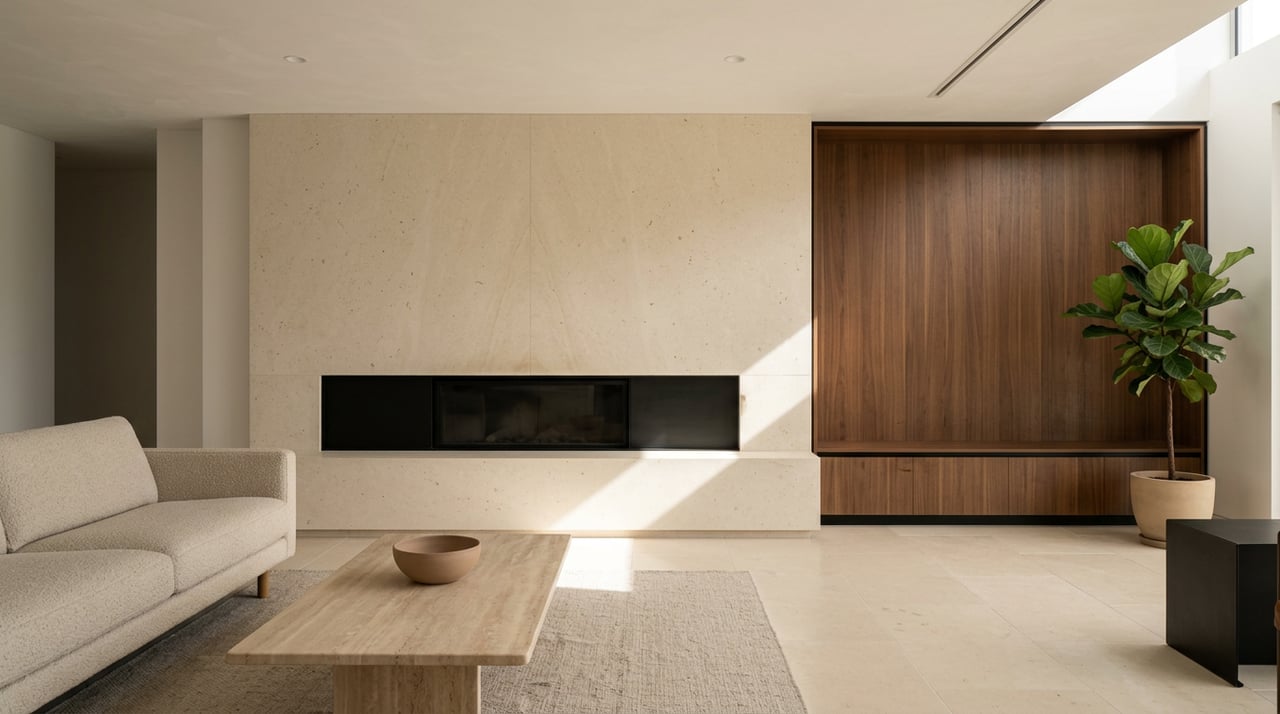
Look for stucco, glass, steel, concrete, and sometimes corten accents. Energy‑efficient glazing, improved insulation, LED lighting, and smart home systems are common. Modern mechanicals and envelopes typically reduce short‑term maintenance and improve comfort.
Outdoor living
Xeriscaping with palms, agaves, and native plants is typical, often paired with outdoor kitchens and lounge spaces. Many desert contemporaries have more elaborate resort‑style yards than untouched mid‑century originals.
Where styles overlap
Not every home is purely one or the other. You will find original mid‑century residences with sensitive upgrades like new HVAC, discreet insulation, and kitchens that respect the original plan. You will also see new desert contemporary builds using mid‑century proportions, clerestories, and honest materials. The key is recognizing authenticity versus reinterpretation and deciding what aligns with your priorities.
Lifestyle fit: how you live and host
If you love authenticity
Choose mid‑century if you value architectural pedigree and period details. These homes shine for intimate living room‑to‑patio gatherings, curated interiors, and mountain view moments. You may trade larger kitchens or media spaces for original character unless the home has been updated.
If you want turnkey comfort
Desert contemporary fits if you want low‑maintenance systems, energy efficiency, and multiple suites for hosting. Larger kitchens, tech‑ready media areas, and expansive outdoor entertainment zones are common, along with smart controls for climate and lighting.
Entertaining style
Mid‑century layouts favor intimate courtyard parties and showpiece design moments. Desert contemporary homes lean toward larger groups, outdoor kitchens, and seamless flow between social zones. Both can be ideal for second homes; it depends on how you entertain and the level of convenience you want.
Practical considerations in Palm Springs
Preservation and rules
Many Palm Springs properties or districts are locally or nationally designated. Local designation can trigger design review for exterior changes, so check City of Palm Springs Historic Preservation Commission guidelines early in due diligence. California’s Mills Act may offer property tax reductions for designated historic homes where the city participates. Permitted remodels and documented methods help preserve character and value.
Costs and maintenance
Restoring authentic mid‑century elements can be costlier per square foot than a standard remodel because of bespoke finishes and specialist trades. Modern upgrades that respect character, like mechanicals and insulation, can improve livability without compromising authenticity. New desert contemporary builds often carry higher upfront costs for custom design and site work, but newer systems typically lower near‑term maintenance and utilities.
Inspections and vulnerabilities
Flat or low‑pitched roofs and parapets deserve careful inspection for water management. Original single‑pane glass and thin frames underperform compared with modern glazing; confirm any retrofits and seals. Older homes may require HVAC capacity upgrades, rewiring, or plumbing replacements, and some contain asbestos‑containing materials or lead paint. In MCM structures with steel, check for corrosion and any retrofits. Pools, irrigation, and desert landscaping still require regular care.
Energy and comfort
Modern envelopes and double or triple glazing in desert contemporary homes improve temperature control and efficiency. Mid‑century homes benefit from targeted upgrades like improved insulation, high‑efficiency HVAC, and sympathetic window solutions that preserve the look while boosting comfort.
Neighborhood context
You will find notable concentrations of mid‑century modern homes in neighborhoods such as Old Las Palmas, Movie Colony, Twin Palms, and Racquet Club. Desert contemporary homes are spread across the city as new builds and remodels, often on lots designed for privacy and outdoor entertaining. Always evaluate location, views, site orientation, and any neighborhood rules or short‑term rental restrictions that may affect your plans.
Touring checklist
Use this quick list when evaluating homes:
- Provenance and alterations
- Is the home architect‑attributed or documented? Are original drawings or records available?
- What alterations were made and were they permitted?
- Systems and structure
- Age and condition of roof, HVAC, electrical panel, plumbing, foundation, and pool equipment.
- Any signs of water intrusion, staining, or foundation movement.
- Energy and comfort
- Type of glazing and insulation levels; recent energy upgrades and smart controls.
- Historic and regulatory
- Local or national designation status and any design review requirements.
- HOA rules and short‑term rental regulations.
- Site and orientation
- Sun exposure on patios, prevailing winds, privacy, setbacks, and mountain view corridors.
- Maintenance and materials
- Condition of original finishes like terrazzo, tile, and steel window frames; availability of specialist craftsmen.
- Investment lens
- Comparable sales for both MCM and newer comps; demand drivers for your target style.
How to choose your best fit
If you value cultural provenance and are open to specialist restoration, a documented mid‑century home can be a rewarding choice. If you want low‑friction ownership with modern comfort and broad appeal, desert contemporary may be the better match. Many buyers land on a sensitively updated MCM that preserves character while adding essential upgrades. Start with your top three priorities, whether that is authenticity, turnkey readiness, or outdoor entertainment, then tour examples of each style to see what resonates in person.
Ready to refine your shortlist or see both styles side by side? Connect for a private, design‑first tour strategy tailored to how you live and host. Reach out to Rich Nolan to start the conversation.
FAQs
What is the difference between Palm Springs mid‑century modern and desert contemporary?
- Mid‑century focuses on historic 1940s–1960s design, post‑and‑beam structure, and period details, while desert contemporary is newer, tech‑forward, and optimized for modern comfort and entertaining.
Are there tax benefits for designated historic homes in Palm Springs?
- Some cities use California’s Mills Act to reduce property taxes for designated historic homes; confirm local participation and requirements with Palm Springs planning and tax authorities during due diligence.
Will updating windows in a mid‑century home hurt value?
- Sensitive, reversible upgrades that preserve sightlines and character typically maintain appeal; removing character‑defining elements can reduce interest among preservation‑minded buyers.
What maintenance issues are common with flat or low‑pitched roofs in the desert?
- Drainage and waterproofing are critical; have roofs, parapets, and adjoining patios inspected for past leaks, proper detailing, and life expectancy.
Which Palm Springs neighborhoods have notable mid‑century concentrations?
- Neighborhoods such as Old Las Palmas, Movie Colony, Twin Palms, and Racquet Club feature concentrations of notable modernist homes, though examples exist across the city.
Is a desert contemporary home better for vacation renting in Palm Springs?
- Desert contemporaries often appeal to a broad renter base with modern amenities, while well‑marketed mid‑century homes can command premium nightly rates among design‑focused guests; always verify local rental rules and demand before you buy.