Is your Palm Desert dream home a glassy Desert Contemporary that disappears into mountain views, or a soulful Mid-Century Modern with clerestory light and a private courtyard? When you love design, it can be hard to decide. You want a home that fits how you live, stands up to the desert climate, and holds value in a design-savvy market. This guide shows you how to tell the styles apart fast, what they feel like to live in, and how to shop or sell with confidence. Let’s dive in.
Style snapshot: what each means
Mid-Century Modern grew from the mid-1940s through the 1960s. In the Coachella Valley, it means low profiles, simple lines, post-and-beam details, clerestory windows, and a strong indoor–outdoor relationship. You often see compact single-level homes with efficient floor plans and central patios.
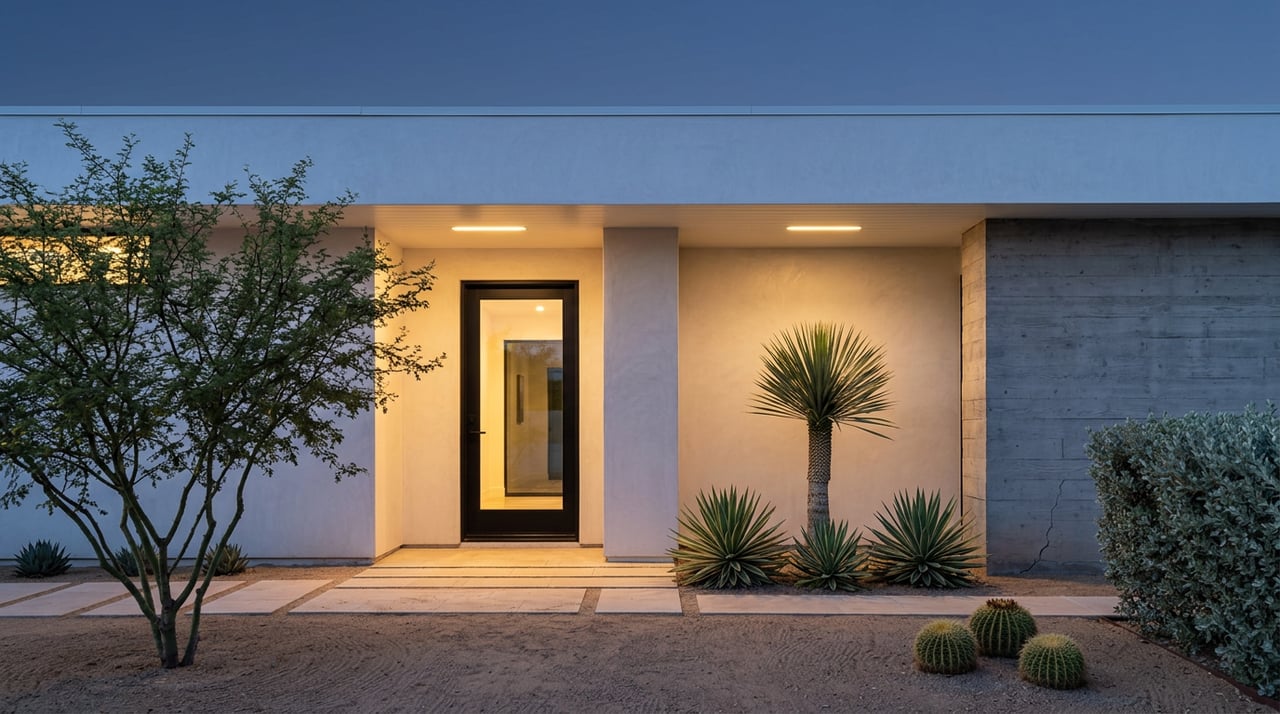
Desert Contemporary is the region’s evolution of those ideas, from the late 20th century to today. It leans into site-specific design, bigger spans and overhangs, and larger glass to frame distant views. Plans are often more open and tailored to modern living with guest suites, media or office spaces, and engineered shade systems.
Curb appeal cues that separate them
Rooflines
- Mid-Century Modern: Low, horizontal roofs that are flat or gently pitched. Overhangs and exposed beams are common, and original homes often had carports.
- Desert Contemporary: Still low in profile but with more variety. Expect dramatic cantilevers, deeper engineered overhangs, and sculptural roof forms that create shade and visual interest.
Facades and glass
- Mid-Century Modern: Clerestory window bands, sliding doors to patios, and rhythmic mullions. Breeze block screens and framed walkway entries show up often.
- Desert Contemporary: Larger, uninterrupted walls of glass with high-performance glazing. Full-height pivot or multi-panel doors can open entire rooms to the outside.
Landscape and site
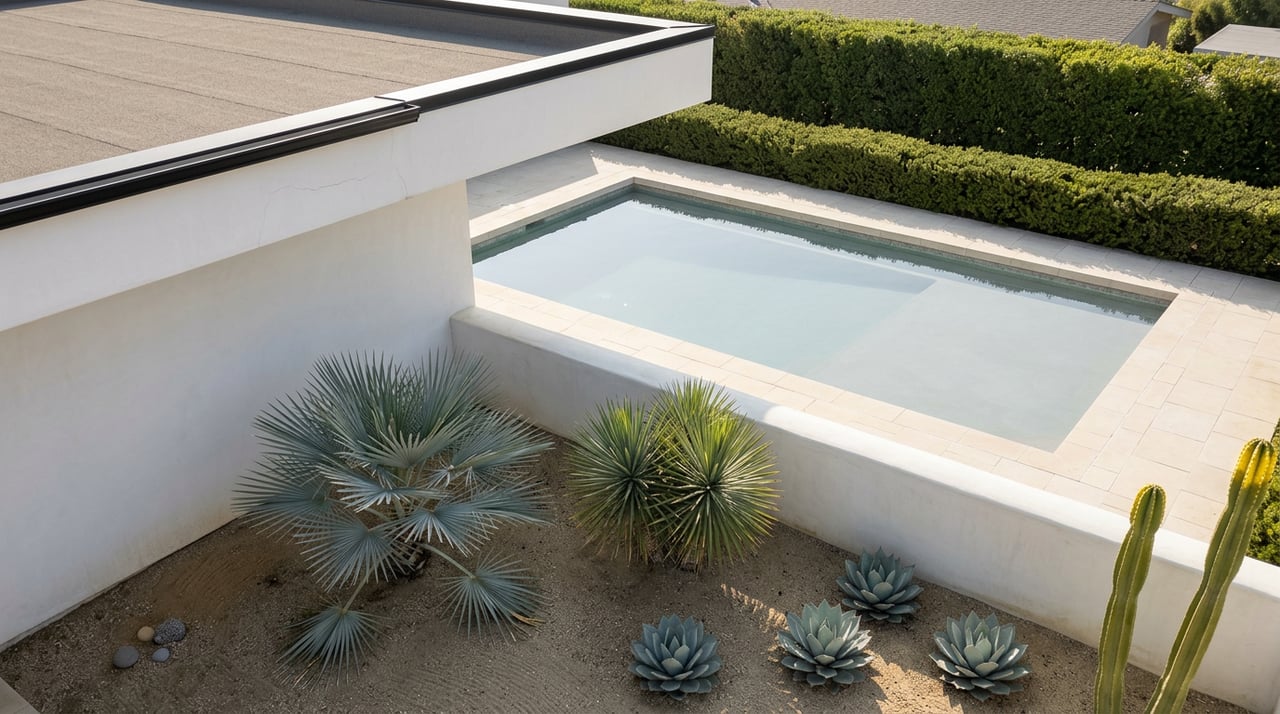
- Mid-Century Modern: Private courtyards, sheltered patios, and landscaping that blurs inside and out. Pools sit close to living areas for easy flow.
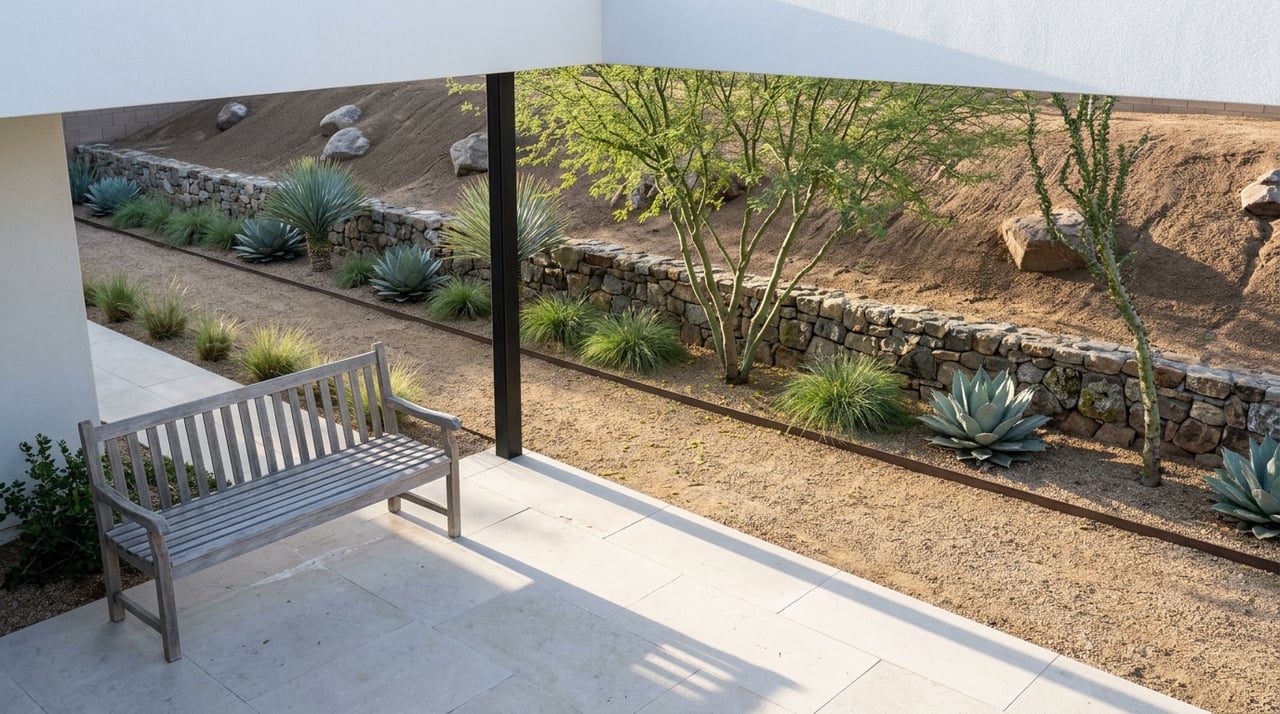
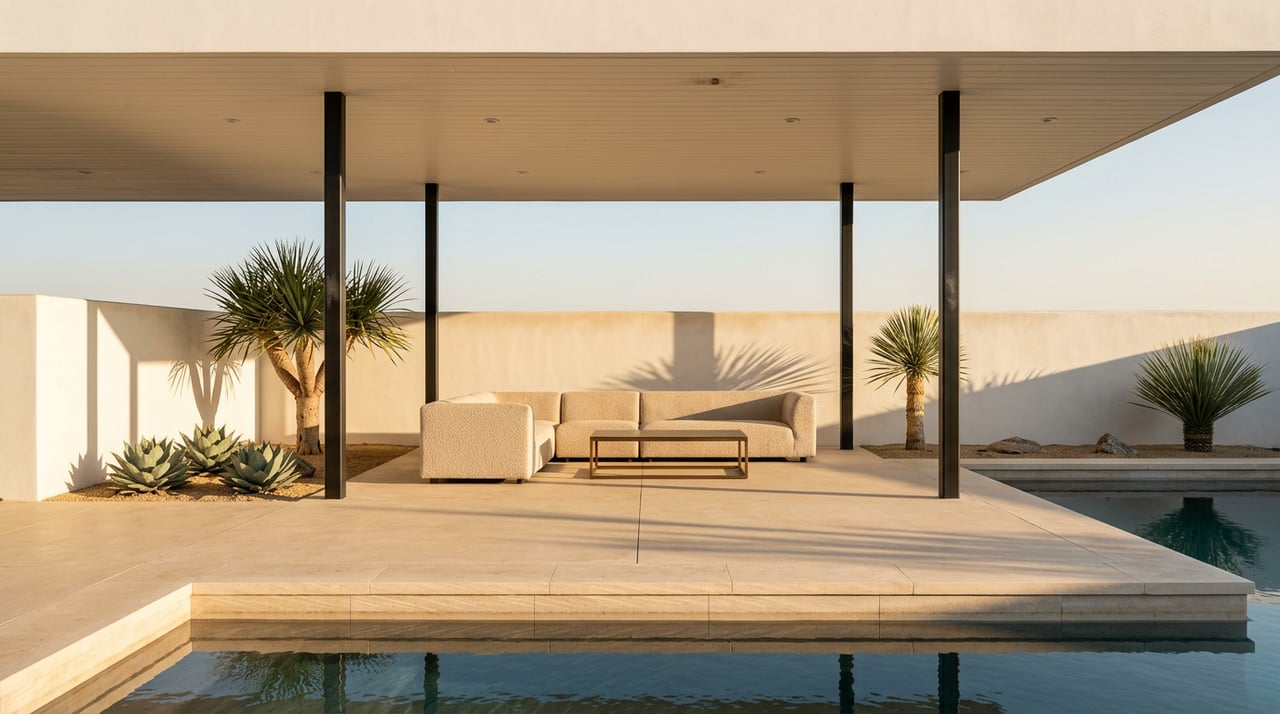
- Desert Contemporary: Stronger emphasis on view-framing and outdoor “rooms.” Think cantilevered decks, integrated kitchens and fire features, and sculpted xeric landscapes.
Floor plans and daily living
Layouts
- Mid-Century Modern: Single-level, linear or L and U shapes that connect entry, living, dining, and kitchen. Bedrooms sit in a private wing, and the main living area opens to a central patio. Service spaces tend to be compact by today’s standards.
- Desert Contemporary: Single or multi-level open plans with larger continuous living spaces. You often get explicit privacy zones like guest casitas, media rooms, or dedicated home offices.
Indoor–outdoor flow
- Mid-Century Modern: Sliding doors and shallow covered patios create cozy outdoor rooms. Level thresholds and courtyard typologies are common.
- Desert Contemporary: Oversized sliders, folding walls, or pivot systems erase transitions and create one continuous living plane. Outdoor spaces often include shade structures, a bar or kitchen, and designed views.
Daylight and privacy
- Mid-Century Modern: Clerestories and screens bring in light while protecting privacy and wall space.
- Desert Contemporary: Combines bigger glass with screening and landscape buffers. Modern shading and high-performance glazing balance views and heat.
Materials and desert performance
Typical materials
- Mid-Century Modern: Wood beams, tongue-and-groove ceilings, concrete slab floors, terrazzo in some cases, brick or stone accents, breeze block, and original single-pane glass.
- Desert Contemporary: Stucco and concrete exterior skins, engineered wood or steel for long spans, large insulated glass, corten or painted metal highlights, and integrated stone cladding.
Climate strategies
Both styles use smart passive design: orienting for softer sun, deep overhangs, shaded patios, and courtyards that catch breezes. Desert Contemporary adds modern performance like insulated wall assemblies, high-performance glazing, thermal mass, and HVAC systems sized for large glass areas. Xeriscaping helps manage water while shaping privacy and shade.
Maintenance notes
- Low-slope roofs: Drainage, membranes, and flashing deserve careful inspection in both styles. Older mid-century roofs may not meet current detailing standards.
- Windows: Original single-pane glazing is a candidate for insulated upgrades that improve comfort and energy use.
- Mechanical systems: Many mid-century homes were not built for modern loads and ducting, so HVAC upgrades are common. Contemporary homes can have more complex systems that also require maintenance.
- Historic finishes: Terrazzo, exposed beams, and custom metalwork may need specialist contractors.
- Pools and irrigation: Desert conditions increase operating costs. Efficient pumps and smart controllers are frequent upgrades.
Where to find them in Palm Desert
You can spot Mid-Century Modern homes in older parts of Palm Desert and in post-war era subdivisions. Expect modest lots, single-level footprints, and courtyard plans. Many have been renovated, which can be a plus when upgrades were permitted and well executed.
Desert Contemporary homes appear in custom builds, newer infill, hillside parcels, and within or adjacent to golf communities and gated estates. They typically showcase expansive indoor–outdoor living, larger glazing, and contemporary finishes that put views front and center.
Smart search tips in listings
Keywords to use
Try phrases like: “mid-century,” “midcentury,” “desert modern,” “modernist,” “courtyard,” “post-and-beam,” “breeze block,” “carport,” “floor-to-ceiling glass,” “pivot door,” “pocket doors,” “open plan,” and “contemporary courtyard.”
Photo cues to scan
- Mid-Century Modern: Low, horizontal roofline, clerestory windows, breeze block screens, built-in fireplace, compact patio or courtyard.
- Desert Contemporary: Long cantilevers, full-height glass, covered outdoor great rooms, integrated landscape design, and visible steel or concrete elements.
Which style fits your lifestyle
Mid-Century Modern match
Choose this if you value architectural authenticity, classic lines, and intimate courtyard living. Single-level convenience and original details like wood ceilings or terrazzo can be a strong draw. Preservation-minded updates often pay off for buyers who appreciate the design lineage.
Desert Contemporary match
Pick this if you want larger open spaces that flow to generous outdoor rooms, engineered shade, and view-driven design. You will often find guest suites and flexible spaces that fit modern work and hosting. Contemporary systems can enhance comfort and performance when properly maintained.
Buyer checklist for Palm Desert
Use this quick list during showings and inspections:
- Roof: Type, age, drainage, and flashing on low-slope roofs.
- Windows: Single vs insulated glazing, frame condition, and signs of seal failure or condensation.
- Structure: Any large openings or removed walls, and whether permits and engineering are on file.
- HVAC and insulation: System capacity, ducting quality, attic and wall insulation levels.
- Pool and irrigation: Pump age, controller type, and pool finish condition.
- Original materials: Condition of terrazzo, exposed beams, or breeze blocks that may need specialists.
- Landscape and privacy: Shade, walls, and screens that protect living areas from sun and neighbors.
Seller checklist to stand out
Make buyers see and feel the desert lifestyle:
- Highlight indoor–outdoor features with great photos and twilight shots.
- Disclose and document system upgrades like roof, HVAC, and glazing. Share permits when available.
- Stage outdoor rooms, even in shoulder seasons, to show year-round use.
- If you restored or retrofitted, note how you preserved character while improving performance, like replacing single-pane windows with high-performance units that keep original sightlines.
Preservation, permits, and value
Restorations that keep character while upgrading systems are common and appreciated by design-conscious buyers. Always confirm permits for structural changes, especially where large openings and long spans were added. Both authentic mid-century homes and well-executed Desert Contemporary properties carry strong demand in the Coachella Valley. Condition, lot quality, upgrades, and proximity to amenities are top value drivers.
Your next step
Whether you are comparing a classic courtyard plan to a new glass pavilion, the best choice aligns style, comfort, and long-term maintenance. If you want guidance that blends design expertise with high-production marketing or targeted sourcing, you are not alone. A curated approach can uncover off-market options, validate upgrades, and position your property for premium results. When you are ready, connect with Rich Nolan for a design-first consultation tailored to Palm Desert and the greater Coachella Valley.
FAQs
How do I tell the styles apart in listing photos?
- Look at the roofline and glass. Mid-Century Modern is low and horizontal with clerestory bands and breeze blocks, while Desert Contemporary often shows long cantilevers and full-height glass.
Which style is typically more energy efficient in Palm Desert?
- Original Mid-Century Modern homes usually need upgrades to windows, insulation, and HVAC. Desert Contemporary homes often include later technologies, but glazing performance and shading should still be evaluated.
Are Mid-Century Modern homes rare in Palm Desert?
- You will find them in older neighborhoods and post-war subdivisions, though they may be smaller and renovated. Value depends on condition, upgrades, lot, and overall authenticity.
Where are Desert Contemporary homes most common around Palm Desert?
- They appear in custom builds, newer infill, hillside parcels, and within or near golf communities and gated estates, often with expansive indoor–outdoor living.
Do I need special permits to open up walls or add large glass?
- Yes. Request permits and engineered drawings for structural changes. Proper engineering is essential for long spans, large openings, and high-performance glazing.